To understand what is happening in the world today, we must start from a simple yet powerful idea: globalization is, above all, control of the seas. It is not just about trade, technology, or financial flows, but about the ability to ensure—or block—the free transit of goods and energy along the world’s major maritime routes.
History teaches this clearly. Every dominant empire has built its power through strategic control of the waters: Rome unified the Mediterranean, turning it into an internal lake—“mare nostrum”; the British Empire established naval bases across the globe, from the Suez Canal to Singapore; and finally, the United States, which since the end of World War II has dominated the oceans, sustaining the liberal global order with an unrivaled navy.
But no hegemony, however solid, remains unchallenged forever.
⸻
The American Empire in a Phase of Fatigue
Today, the United States still appears formally dominant, but less capable of exercising its authority unopposed. It is not so much a military weakness as a perceptual fatigue—a loss of confidence, both domestically and internationally, that creates room for other powers to rise. This perception—and the reality that follows—carries tremendous weight: in international relations, the perception of strength is already strength, just as the perception of weakness is already an invitation to challenge.
It is into this vacuum that determined actors are stepping: China, Russia, Turkey, and Iran, each carrying a worldview and, often, a historical empire to which they appeal to legitimize their expansion.
⸻
The Return of Empires
It is no coincidence that these emerging powers explicitly reference history. The United States sees itself as the heir to the British Empire—not just linguistically and culturally, but as a global maritime guardian. China, with its millennia-old civilization, has revived the Belt and Road Initiative, not only by land but especially by sea, building strategic ports from Asia to Africa. Russia aims to reconstruct a post-Soviet sphere of influence, supported by a czarist and Orthodox vision. Turkey, nostalgic for Ottoman glory, is now very active in the Eastern Mediterranean and Syria. And Iran presents itself as the spiritual and geopolitical heir of the Persian Empire, with a regional agenda aimed at shaping the broader Middle East.
These actors are not merely competing symbolically. They have concrete goals: regional influence, market access, energy control, and military presence in key global hotspots. And all of these goals, inevitably, pass through the sea.
⸻
The New Map of Power: Strategic Straits
If the seas are the arteries of globalization, the straits are its vital points. They are narrow spaces where everything passes—and where everything can be blocked. This makes them the true fault lines of modern geopolitics.
The Suez Canal links Europe to Asia; even a partial closure causes immediate price shocks globally. The Bosporus and Dardanelles, controlled by Turkey, are essential for Russia and the entire Black Sea region. The Strait of Gibraltar remains a critical gateway to the Mediterranean. The Bab-el-Mandeb, between Yemen and the Horn of Africa, connects the Red Sea to the Indian Ocean, with direct consequences for European energy security.
The Strait of Hormuz may be the most delicate of all: nearly one-third of the world’s oil passes through it. Every Iran–U.S. tension plays out here as well. The Strait of Malacca, by contrast, is vital for China: a major portion of its trade flows through it, making it extremely sensitive in any potential conflict.
Further north, the Bering Strait—between Alaska and Siberia—gains relevance, not only symbolically as a frontier between two superpowers but also strategically in a world where Arctic routes are becoming navigable. Finally, the Taiwan Strait is now the epicenter of global tension: a geopolitical flashpoint where economic, technological, and military interests intersect.
⸻
Ongoing Wars: Symptoms of a Reordered World
Each current conflict can be interpreted as an attempt to redefine the global order. The war in Ukraine is not simply a clash between two states but a Russian challenge to NATO expansion and its own post-Soviet marginalization. In Syria, Turkey intervenes to control Kurdish dynamics and safeguard its regional influence. In Gaza, Iran strengthens its role in the anti-Israel axis and within the broader Middle Eastern theater.
Tensions around Taiwan may be the most dangerous: China claims the island as its own, and any attempt at reunification—even by force—would mark a critical turning point in its standoff with the United States. For now, Washington responds economically, using tariffs and technological restrictions in an effort to slow Chinese military and digital development without triggering open warfare.
⸻
A World Reassembling: Between Power, Narrative, and Perception
The Taiwan case is more than a territorial dispute. It is the symbolic center of a much broader challenge: that between two worldviews. On one side, a liberal, multilateral order led by the United States, which has provided decades of maritime stability and commercial growth. On the other, a new multipolar order in which emerging powers demand more space, influence, and control over strategic routes and global flows.
But the real battle is not just over who rules, but how reality is told and perceived. Narrative power matters as much as military power. China and Russia are not only challenging U.S. dominance at sea—they are also attacking its moral, cultural, and economic primacy. In this sense, the conflict also plays out in the minds of public opinion and in the diplomacy of neutral or non-aligned nations.
Globalization is not over—but it is changing its face. From an integrated, Western-led system, we are shifting to a more fragmented mosaic, where each power seeks to defend its sphere of influence, even at the expense of global cooperation. In this context, seas, straits, ports, and canals become arenas of strategic competition once again. It is the return of infrastructure geopolitics and chokepoint diplomacy.
⸻
Economic Impacts and New Financial Strategies
This new global context does not remain confined to diplomacy or armed conflict: it has direct and deep effects on financial markets. Wars, sanctions, naval blockades, geopolitical realignments, and trade tensions make future scenarios increasingly uncertain and volatile.
The consequences are visible across at least three dimensions:
1. Structural inflation: supply chain disruptions and the race for strategic self-sufficiency (in energy, tech, raw materials) are driving up global costs.
2. Market volatility: instability is growing—not only in countries directly involved in conflicts but at a systemic level.
3. End of the linear paradigm: predictable, steady growth models are becoming obsolete, prompting a fundamental rethink of risk itself.
In this setting, traditional passive investment strategies—like recurring index-based plans (e.g., PACs)—are showing their limitations. While still valid for long-term retail investors, they no longer suffice for those seeking resilience in a multipolar, high-entropy world.
Thus, we are witnessing a return—or rather a reinforcement—of more dynamic and adaptive approaches, such as those labeled “Absolute Return” strategies. These are not brand new: they have existed in institutional portfolios for decades. But their relevance increases in scenarios where the goal is not to beat the market, but to protect capital across all market phases.
Absolute Return strategies may include:
• Long/short instruments, which can profit in both rising and falling markets;
• Active hedging against inflation, volatility, or geopolitical shocks;
• Selective exposure to currencies, commodities, or assets uncorrelated with traditional markets.
Additionally, multi-strategy models are gaining traction—blending quantitative algorithms, macroeconomic analysis, and geopolitical intelligence—to deliver stable, non-cyclical returns.
In short: in a world where global powers are contesting control of the seas, investors must redraw their mental maps. Sailing blind is no longer an option, nor is following routes set by past textbooks. A new compass is needed—one capable of navigating not just quarterly earnings and equity indices, but the Strait of Hormuz, tech tariffs, and capital flows chasing the next strategic alliance.
To understand what is happening in the world today, we must start from a simple yet powerful idea: globalization is, above all, control of the seas. It is not just about trade, technology, or financial flows, but about the ability to ensure—or block—the free transit of goods and energy along the world’s major maritime routes.
History teaches this clearly. Every dominant empire has built its power through strategic control of the waters: Rome unified the Mediterranean, turning it into an internal lake—“mare nostrum”; the British Empire established naval bases across the globe, from the Suez Canal to Singapore; and finally, the United States, which since the end of World War II has dominated the oceans, sustaining the liberal global order with an unrivaled navy.
But no hegemony, however solid, remains unchallenged forever.
⸻
The American Empire in a Phase of Fatigue
Today, the United States still appears formally dominant, but less capable of exercising its authority unopposed. It is not so much a military weakness as a perceptual fatigue—a loss of confidence, both domestically and internationally, that creates room for other powers to rise. This perception—and the reality that follows—carries tremendous weight: in international relations, the perception of strength is already strength, just as the perception of weakness is already an invitation to challenge.
It is into this vacuum that determined actors are stepping: China, Russia, Turkey, and Iran, each carrying a worldview and, often, a historical empire to which they appeal to legitimize their expansion.
⸻
The Return of Empires
It is no coincidence that these emerging powers explicitly reference history. The United States sees itself as the heir to the British Empire—not just linguistically and culturally, but as a global maritime guardian. China, with its millennia-old civilization, has revived the Belt and Road Initiative, not only by land but especially by sea, building strategic ports from Asia to Africa. Russia aims to reconstruct a post-Soviet sphere of influence, supported by a czarist and Orthodox vision. Turkey, nostalgic for Ottoman glory, is now very active in the Eastern Mediterranean and Syria. And Iran presents itself as the spiritual and geopolitical heir of the Persian Empire, with a regional agenda aimed at shaping the broader Middle East.
These actors are not merely competing symbolically. They have concrete goals: regional influence, market access, energy control, and military presence in key global hotspots. And all of these goals, inevitably, pass through the sea.
⸻
The New Map of Power: Strategic Straits
If the seas are the arteries of globalization, the straits are its vital points. They are narrow spaces where everything passes—and where everything can be blocked. This makes them the true fault lines of modern geopolitics.
The Suez Canal links Europe to Asia; even a partial closure causes immediate price shocks globally. The Bosporus and Dardanelles, controlled by Turkey, are essential for Russia and the entire Black Sea region. The Strait of Gibraltar remains a critical gateway to the Mediterranean. The Bab-el-Mandeb, between Yemen and the Horn of Africa, connects the Red Sea to the Indian Ocean, with direct consequences for European energy security.
The Strait of Hormuz may be the most delicate of all: nearly one-third of the world’s oil passes through it. Every Iran–U.S. tension plays out here as well. The Strait of Malacca, by contrast, is vital for China: a major portion of its trade flows through it, making it extremely sensitive in any potential conflict.
Further north, the Bering Strait—between Alaska and Siberia—gains relevance, not only symbolically as a frontier between two superpowers but also strategically in a world where Arctic routes are becoming navigable. Finally, the Taiwan Strait is now the epicenter of global tension: a geopolitical flashpoint where economic, technological, and military interests intersect.
⸻
Ongoing Wars: Symptoms of a Reordered World
Each current conflict can be interpreted as an attempt to redefine the global order. The war in Ukraine is not simply a clash between two states but a Russian challenge to NATO expansion and its own post-Soviet marginalization. In Syria, Turkey intervenes to control Kurdish dynamics and safeguard its regional influence. In Gaza, Iran strengthens its role in the anti-Israel axis and within the broader Middle Eastern theater.
Tensions around Taiwan may be the most dangerous: China claims the island as its own, and any attempt at reunification—even by force—would mark a critical turning point in its standoff with the United States. For now, Washington responds economically, using tariffs and technological restrictions in an effort to slow Chinese military and digital development without triggering open warfare.
⸻
A World Reassembling: Between Power, Narrative, and Perception
The Taiwan case is more than a territorial dispute. It is the symbolic center of a much broader challenge: that between two worldviews. On one side, a liberal, multilateral order led by the United States, which has provided decades of maritime stability and commercial growth. On the other, a new multipolar order in which emerging powers demand more space, influence, and control over strategic routes and global flows.
But the real battle is not just over who rules, but how reality is told and perceived. Narrative power matters as much as military power. China and Russia are not only challenging U.S. dominance at sea—they are also attacking its moral, cultural, and economic primacy. In this sense, the conflict also plays out in the minds of public opinion and in the diplomacy of neutral or non-aligned nations.
Globalization is not over—but it is changing its face. From an integrated, Western-led system, we are shifting to a more fragmented mosaic, where each power seeks to defend its sphere of influence, even at the expense of global cooperation. In this context, seas, straits, ports, and canals become arenas of strategic competition once again. It is the return of infrastructure geopolitics and chokepoint diplomacy.
⸻
Economic Impacts and New Financial Strategies
This new global context does not remain confined to diplomacy or armed conflict: it has direct and deep effects on financial markets. Wars, sanctions, naval blockades, geopolitical realignments, and trade tensions make future scenarios increasingly uncertain and volatile.
The consequences are visible across at least three dimensions:
1. Structural inflation: supply chain disruptions and the race for strategic self-sufficiency (in energy, tech, raw materials) are driving up global costs.
2. Market volatility: instability is growing—not only in countries directly involved in conflicts but at a systemic level.
3. End of the linear paradigm: predictable, steady growth models are becoming obsolete, prompting a fundamental rethink of risk itself.
In this setting, traditional passive investment strategies—like recurring index-based plans (e.g., PACs)—are showing their limitations. While still valid for long-term retail investors, they no longer suffice for those seeking resilience in a multipolar, high-entropy world.
Thus, we are witnessing a return—or rather a reinforcement—of more dynamic and adaptive approaches, such as those labeled “Absolute Return” strategies. These are not brand new: they have existed in institutional portfolios for decades. But their relevance increases in scenarios where the goal is not to beat the market, but to protect capital across all market phases.
Absolute Return strategies may include:
• Long/short instruments, which can profit in both rising and falling markets;
• Active hedging against inflation, volatility, or geopolitical shocks;
• Selective exposure to currencies, commodities, or assets uncorrelated with traditional markets.
Additionally, multi-strategy models are gaining traction—blending quantitative algorithms, macroeconomic analysis, and geopolitical intelligence—to deliver stable, non-cyclical returns.
In short: in a world where global powers are contesting control of the seas, investors must redraw their mental maps. Sailing blind is no longer an option, nor is following routes set by past textbooks. A new compass is needed—one capable of navigating not just quarterly earnings and equity indices, but the Strait of Hormuz, tech tariffs, and capital flows chasing the next strategic alliance.
Introduction: The Era of the Algorithm Between Economic Power and Political Division
Artificial Intelligence (AI) is now at the forefront of global transformation—not only technological but also economic, political, and social. To understand where we currently stand, it is crucial to recognize how AI has reshaped the landscape of power relations, introducing new opportunities but also significant risks. Following the reflections of Yuval Noah Harari and integrating analyses from other authoritative sources, we examine the current panorama in which AI is transforming the world. The goal is to explore the balance of power between advanced economies and the political fragmentation generated by data management. The information presented here is based on accredited and verified studies.
The Era of Algorithms and the New Power of Data
We are living in what Harari describes as “the era of algorithms,” characterized by the centrality of data as a global strategic resource. If in the past it was oil or minerals that determined the power of nations, today data play the same role, enabling those who control them to accumulate economic and political influence. The control and effective use of data allow major powers and multinational corporations to strengthen their dominant position on the global stage.
Google, Amazon, Facebook, Alibaba, and Tencent are emblematic examples of this transformation. These tech corporations, through the management of immense amounts of data and access to advanced computational resources, have built sophisticated algorithms that directly affect the lives of billions of people today. This dominance has created a sort of digital oligopoly, where a small number of players control much of the technological infrastructure and global information. This concentration of power is not only economic but also political, as these companies influence governmental decisions and public opinion.
Economically, AI has transformed entire sectors, such as manufacturing, where robotization and automation have revolutionized industrial production; finance, with algorithmic trading enabling investment decisions in milliseconds; and healthcare, where the analysis of clinical data through artificial intelligence allows for early and precise diagnoses (McKinsey, 2022). This has produced significant efficiencies but has also introduced the risk of greater inequality: companies and countries unable to keep pace with these technological developments risk being excluded from the new global economy.
Political Power and Surveillance
In the political realm, AI has exacerbated the division between democracies and authoritarian regimes. In Western democracies, artificial intelligence is primarily used to improve public services and decision-making processes, but also to personalize political communication, which can lead to manipulation of public opinion. Episodes like the interference in the 2016 U.S. presidential elections, attributed to the use of bots and electoral micro-targeting on platforms like Facebook, are examples of the negative consequences of AI on democratic transparency (Tucker et al., 2020).
In contrast, China has embraced AI as a tool to strengthen social control. China’s digital surveillance system is one of the most advanced in the world, and the government has used technologies such as facial recognition and behavioral analysis to constantly monitor citizens. This approach has been further consolidated with the introduction of the Social Credit System, which evaluates citizens’ behavior and determines their access to certain services, thus promoting a form of totalitarian control based on data (The Economist, 2022). This divergence between democratic and authoritarian uses of AI is helping to reshape global power dynamics, creating a sharp contrast between those who use technology to expand civil rights and those who use it to limit them.
Another aspect to consider is the emergence of data geopolitics. Data have become a point of contention among major powers, with the United States and China at the forefront of this competition. Regulations in the European Union, such as the GDPR (General Data Protection Regulation), seek to protect citizens’ personal data and limit the abuse of power by tech multinationals. However, this can also be an obstacle to European technological development, as very strict regulations reduce the capacity for innovation and global competition (European Commission, 2023).
Digital Oligopolies and Inequality
The dominance of large tech platforms has implications not only economic and political but is also contributing to the growth of global inequalities. Companies that hold data and develop advanced algorithms have a huge competitive advantage over smaller players. This has led to a growing divide between technologically advanced countries and those without access to the necessary infrastructures to compete in the field of AI.
Access to data has become the main differentiating factor between those who succeed and those who fall behind in the AI era. Nations with the resources to collect and process large volumes of data—like the United States and China—are able to develop advanced technologies and gain significant strategic advantages. Conversely, developing countries risk being left out, lacking both the infrastructures and the necessary expertise to compete. This technological divide contributes to reinforcing economic inequalities and limiting development opportunities for many nations (UNESCO, 2023).
Ethical Challenges and the Privacy Dilemma
The advancement of AI also raises important ethical issues. The use of personal data to train algorithms carries significant privacy risks. The availability of enormous amounts of data has made rapid AI progress possible, but it has also paved the way for a series of problems related to the misuse of personal information. Machine learning models and neural networks are often trained on data collected without explicit consent, raising concerns about transparency and accountability (Floridi, 2021).
Moreover, algorithmic bias represents another significant challenge. AI algorithms learn from data, but if the data are distorted or reflect human prejudices, the algorithms also turn out to be biased. This problem has manifested in various fields, from credit scoring to personnel selection, where AI models have shown racial or gender discrimination, reflecting disparities present in the data used for their training (Buolamwini & Gebru, 2018).
Europe’s Resistance: Regulation and Digital Sovereignty
Faced with this reality, Europe has sought to adopt a regulatory approach to protect citizens and preserve a certain digital sovereignty. The GDPR regulation was an initial attempt to regulate the collection and use of personal data, imposing strict limits on data use and imposing heavy penalties for violations. However, this regulation has also raised criticisms: while it protects citizens’ rights, it also makes it more difficult for European companies to compete with tech giants from the United States and China, which operate in much more permissive regulatory contexts (European Commission, 2023).
In addition to the GDPR, the European Union is working on new regulations such as the Digital Markets Act and the Digital Services Act, which aim to ensure fair competition and regulate the power of large platforms. However, the biggest challenge for Europe will be to develop its own technological capacity capable of competing with major powers. To do this, it is necessary to invest in research and development, create a unified digital market, and promote greater collaboration among member countries.
Conclusion: A Complex and Evolving Situation
In summary, we are at a historical moment where artificial intelligence is at the center of redefining global power balances. The ability to control data and develop advanced algorithms represents the new power factor, and those who can manage these resources will have a significant advantage. However, this new scenario also presents enormous challenges: from the need to ensure citizens’ privacy and avoid algorithmic discrimination to the need to prevent power from concentrating in the hands of a few.
Europe finds itself at a crossroads: if it can develop its own technological strategy and ensure digital sovereignty, it can play an important role in the new world order. Otherwise, it risks becoming increasingly dependent on technologies developed elsewhere. As Harari emphasizes, the future will depend on our ability to govern and use data ethically and sustainably while ensuring technological development and the protection of fundamental rights.
2. How Did We Get Here? A Brief History of Artificial Intelligence as an Information Network
Introduction: The Origins and Evolution of Artificial Intelligence
To understand how Artificial Intelligence has reached the central position it occupies in our society today, it is necessary to retrace the fundamental stages of its development. The journey of AI has not been linear nor free of obstacles, but rather the result of decades of progress in diverse fields such as mathematics, computer science, statistics, and more recently, data analysis. In this section, we will analyze the origins of AI, key technological developments, and the sociopolitical transformations that have contributed to its growth as a global information network.
2.1 The Roots of AI: From Expert Systems to the First Learning Algorithms
The idea of creating machines that can think like humans dates back to the 1950s when the term “artificial intelligence” was coined by John McCarthy in 1956 during the famous Dartmouth Conference, an event that marks the official beginning of AI research. At that time, the main goal was to develop systems capable of solving mathematical problems or playing chess, using well-defined rules and following predetermined logical paths. This initial phase of AI was dominated by so-called expert systems—programs built to imitate the decision-making process of human experts in specific fields, such as medical diagnosis or technical problem-solving.
In the 1970s and 1980s, progress in artificial intelligence slowed down, partly due to high expectations and limited resources. This period, known as the “AI Winter,” saw a scaling back of interest and funding due to the technological limitations of the time and the difficulty in achieving concrete results. Despite this, research did not stop and continued in fields such as fuzzy logic and symbolic programming, which laid the groundwork for further developments.
2.2 The Turn of Machine Learning: From Supervised Learning to Deep Learning
The real change in the AI landscape occurred in the 1990s and 2000s when approaches based on machine learning emerged. Instead of relying exclusively on rules coded by humans, researchers began developing algorithms capable of learning from data. This approach revolutionized the field of AI, shifting the focus from rigid, rule-based systems to systems capable of adapting and improving their performance thanks to accumulated experience. Support Vector Machines (SVM) and artificial neural networks were among the first models to show how machines could learn from data and generalize acquired knowledge.
The next step was the introduction of deep neural networks starting in 2010, which represented a decisive turning point. These networks, inspired by the structure of the human brain, consist of multiple layers of artificial neurons and are capable of learning complex data representations. Deep learning made it possible to analyze large amounts of data with unprecedented precision, leading to significant advances in fields such as image recognition, automatic translation, and voice recognition (LeCun, Bengio & Hinton, 2015).
The evolution of cloud computing and increased computational capacity allowed for the training of increasingly complex models, thanks to the availability of GPUs (Graphic Processing Units) and more recently TPUs (Tensor Processing Units), developed specifically to accelerate calculations related to neural networks. These developments finally made it feasible to build and train large-scale AI models.
2.3 The Advent of Big Data: The New Fuel of Artificial Intelligence
The shift from early expert systems to today’s AI based on machine learning was made possible by the availability of Big Data. The enormous amount of data generated daily by billions of connected devices—smartphones, IoT sensors, social media—created the substrate necessary to train increasingly accurate AI models. As Harari points out, data have become the “new fuel” of the modern economy, a strategic asset that determines the success or failure of nations and companies in global competition.
The value of data lies not only in quantity but also in quality and the ability to extract meaningful information. The use of deep learning algorithms has allowed a transition from processing structured data (such as tables and relational databases) to unstructured data like images, videos, and text. This ability to analyze different types of data has led to an exponential growth of AI applications, from personalized medicine to targeted advertising.
However, massive data collection has also posed significant problems related to privacy and ethics. The availability of detailed information about people’s lives has made widespread and pervasive surveillance possible, creating new regulatory and political challenges. The regulation introduced in Europe with the GDPR (General Data Protection Regulation) represents an attempt to balance the need for innovation with the protection of individual rights, but the issue remains at the center of global debate.
2.4 The Era of Language Models: From Recurrent Networks to Transformers
Another crucial moment in the journey of AI was the introduction of natural language models. Early attempts at language processing were based on manually defined linguistic rules, but with the progress of machine learning, Natural Language Processing (NLP) algorithms acquired increasingly sophisticated capabilities. Recurrent Neural Networks (RNNs) and their variants, such as Long Short-Term Memory (LSTM), represented a great leap forward in understanding and generating text, allowing machines to handle sequences of words and understand context.
The further development of language models came with the introduction of transformers (Vaswani et al., 2017). These models, thanks to their attention-based architecture, were able to overcome the limitations of RNNs and handle much longer texts, leading to exceptional results in translations, text generation, and natural language understanding. GPT-3 (Brown et al., 2020), developed by OpenAI, is an example of how transformer language models have revolutionized the field of AI, enabling the generation of texts comparable in quality to those written by humans and opening up new possibilities not only for communication but also for autonomous content creation.
2.5 The Impetus of Multinationals and the Role of Geopolitical Competition
The development of AI has been strongly accelerated by the interest of large tech multinationals and geopolitical competition. Companies like Google, Facebook, Amazon, Microsoft, Alibaba, and Tencent have invested billions of dollars to develop AI technologies, acquiring innovative startups and attracting the best talents in the field. These companies have leveraged their access to enormous amounts of data and computational resources to gain a significant competitive advantage, creating AI-based products and services that are now part of the daily lives of billions of people.
In parallel, competition among major powers has helped drive AI development as a strategic asset. The United States and China are currently in a race for supremacy in artificial intelligence, recognizing the potential of this technology not only to improve economic productivity but also to strengthen military power and national security. China, in particular, launched its ambitious plan in 2017 to become a world leader in AI by 2030, investing in infrastructure, training, and research to develop its technological capabilities (Chinese State Council, 2017).
Conclusion: The Evolution of AI as a Global Information Network
In conclusion, the point we have reached today with AI is the result of decades of progress in various scientific and technological fields, supported by a growing availability of data and computational power. From the pioneering visions of Turing and McCarthy to today’s deep learning and transformer models, AI has come a long way, becoming a global information network that profoundly influences every aspect of our lives.
The combination of advanced algorithms, big data, and computational capacity has made possible a revolution that is still in its early stages but is already reshaping the economy, politics, and society. Understanding this evolutionary path is essential to anticipate the next challenges and opportunities that AI will bring to our future.
3. Where Are We Going? Economic, Political, and Social Implications of Artificial Intelligence
Introduction: A Vision Toward the Future of AI
After analyzing where we have arrived and the historical dynamics that have led AI to its current centrality, it is essential to look toward the future. Where are we going? What are the economic, political, and social implications of AI’s expansion in the coming years? This section will delve into the opportunities, risks, and potential transformations that artificial intelligence may generate, both globally and within individual national contexts, taking into account changes in power relations, economic dynamics, and people’s daily lives.
3.1 Economic Implications: New Markets, New Inequalities
The economic impact of AI in the coming years will be significant and will transform how we work, produce, and consume. Automation will be one of the main drivers of change, with increasing use of intelligent systems in sectors such as logistics, manufacturing, healthcare, and agriculture. This trend, while opening up new opportunities for efficiency and productivity, will also raise important challenges related to labor redistribution and economic equity.
One of the main risks is the increase in inequalities. On one hand, AI promises to boost economic productivity and create new industries; on the other, it risks concentrating economic power in the hands of a few actors, mainly tech multinationals and countries capable of developing and controlling these technologies. According to a study by the World Economic Forum (WEF, 2023), the benefits of automation could be unevenly distributed, with some segments of the workforce seeing improved working conditions and others risking technological unemployment. Sectors such as services, sales, and repetitive tasks are particularly vulnerable, while demand for advanced technical skills and problem-solving abilities will grow exponentially.
Another crucial aspect is the creation of new markets. AI will make it possible to open entirely new sectors, such as personalized medicine based on predictive analyses, autonomous mobility, and services based on hyper-personalized recommendation systems. Companies that manage to integrate AI into their operations will have a significant competitive advantage, being able to adapt their products and services to consumers’ specific needs more accurately and promptly. However, the competitive advantage will heavily depend on access to data and processing capacity, factors that could consolidate existing oligopolies.
In terms of economic policy, AI will require a profound revision of welfare systems. It will be necessary to think of innovative forms of social protection, such as Universal Basic Income (UBI), to address occupational transitions and ensure that the economic benefits of AI are distributed fairly. Various UBI experiments are already underway in several countries, and although results are still preliminary, it is clear that without adequate social protection measures, AI could increase the gap between the richest and the poorest, creating significant social tensions.
3.2 Political Implications: The New Geopolitics of Artificial Intelligence
AI is rapidly becoming a tool of geopolitical power. The competition between the United States and China for leadership in AI is now an established reality, and as Harari states, data are the new strategic asset that will determine the winners and losers of the 21st century. The ability to collect, analyze, and effectively use data is set to become one of the main determinants of national power.
China has heavily invested in its technological leadership strategy, combining long-term government support with the ability to collect enormous amounts of data from its citizens, thanks to an integrated and centralized digital ecosystem. China’s mass surveillance program, which uses AI to monitor citizens’ behavior, represents a model of how AI can be used to strengthen political and social control. This authoritarian model of AI development contrasts with the vision of Western democracies, where data use is subject to stringent regulations to protect citizens’ privacy and rights, such as the GDPR in Europe.
Differences in AI approaches between democracies and authoritarian regimes will likely lead to increasingly accentuated geopolitical polarization. On one side, authoritarian regimes may use AI to consolidate their power and suppress dissent; on the other, democracies will have to face the challenge of developing and regulating AI without compromising fundamental democratic values. This polarization will also translate into increased economic and technological competition, with the formation of opposing technological blocs, each with its own regulations, standards, and digital infrastructures.
Another critical aspect will be the role of AI in electoral campaigns and public opinion formation. The ability to micro-target voters, manipulate information through bots and deepfakes, and use algorithms to amplify specific messages on social media represents a significant risk to the health of democracies. Manipulation of public opinion via AI has already been documented in various contexts, and the risk of elections being influenced through the strategic use of algorithms and personal data is set to grow. Democratic governments will therefore need to develop new forms of regulation and transparency to ensure the integrity of electoral processes.
3.3 Social Implications: Opportunities and Challenges for Civil Society
From a social standpoint, AI offers extraordinary opportunities but also unprecedented challenges. One sector where AI promises enormous benefits is healthcare. Through data analysis, AI can facilitate early disease diagnosis, personalize treatments, and predict epidemics. This could lead to a significant improvement in quality of life and a reduction in healthcare costs. However, the use of health data also raises important privacy and potential discrimination issues, especially when insurance companies and pharmaceutical firms use this information to make decisions about insurance premiums or access to treatments.
Moreover, AI has the potential to transform the education system. Personalized learning systems, based on performance analysis and student preferences, could improve teaching effectiveness and reduce school dropout rates. However, there is a risk that the increasing use of AI in education could lead to standardization of learning and reduction of the role of teachers as critical facilitators of thinking and social skills.
Another relevant theme is work. Automation of many repetitive tasks will free up time for more creative and complex activities but will also require massive reskilling of the workforce. Reskilling and continuous training will become essential components of labor policies to prepare workers for changes imposed by AI. Companies and governments will need to invest in training programs to prevent a significant number of workers from being excluded from the labor market, with all the social consequences that entails.
In terms of equity and social justice, AI can be both an opportunity and a threat. It can be used to promote access to public services and improve resource distribution, but if developed without careful consideration of biases and pre-existing inequalities, it can also amplify discriminations. AI algorithms learn from past data and can perpetuate prejudices and stereotypes, with discriminatory consequences against vulnerable social groups (Buolamwini & Gebru, 2018). For AI to contribute to a fairer society, it will be essential to develop ethical AI practices that include algorithm transparency, developer accountability, and inclusion of diverse perspectives in the development process.
3.4 Risks and Opportunities: Preparing for the Future of AI
The future of AI offers enormous opportunities but also significant risks. Among the opportunities, we can count increased efficiency and productivity, the possibility of tackling complex problems like climate change through advanced predictive models, and the personalization of services that improve citizens’ quality of life. AI could also contribute to creating new jobs and the birth of new industries, provided there is political will to invest in training and redistribution of economic benefits.
On the other hand, the risks are equally significant. The concentration of economic and political power in the hands of a few actors, the possibility of information manipulation, and the amplification of social inequalities are all real threats that must be addressed. Regulation of AI will therefore be a crucial element in mitigating these risks. Governments will need to find a balance between promoting innovation and ensuring the protection of citizens’ fundamental rights. In this context, Europe has an important role to play, thanks to its regulatory experience and focus on data protection and civil rights.
Conclusion: A Proactive and Responsible Vision of Artificial Intelligence
Artificial Intelligence represents one of the most complex and fascinating challenges of our time. How society responds to the economic, political, and social transformations determined by AI will define the future of humanity. It will be essential to adopt a proactive and responsible vision, investing in people, ethical regulation, and sustainable technological development.
Democracies must be able to harness the benefits of AI without compromising fundamental values of freedom, equity, and justice. Only in this way can we ensure that AI contributes to a future where technological innovation and social progress go hand in hand, to the benefit of all.
4. How Do We Prepare? Strategies and Actions to Face the Future of Artificial Intelligence
Introduction: Facing the AI Challenge with Preparation and Awareness
The advancement of Artificial Intelligence represents a multidimensional challenge that requires strategic preparation to address its economic, political, and social consequences. In a global context where AI is redefining power and progress, Italy and Europe must prepare not only to adapt but also to assume a leadership position. In this section, we will examine concrete actions that can be taken to face the future of AI proactively and sustainably, maximizing opportunities and minimizing risks.
4.1 Investing in Education and Reskilling: Preparing the Workforce
One of the fundamental pillars to face the future of AI is investing in education and reskilling of the workforce. AI technologies are transforming the labor market, automating many tasks and creating new opportunities for those with digital and technical skills. For this reason, it is necessary to develop an educational system that prepares new generations and retrains current workers with the skills required in the AI era.
Introduction of AI and Data Science Courses: It is essential to integrate the teaching of artificial intelligence, machine learning, and data science into school and university programs. This is not only for computer science students but also for those studying economics, social sciences, and humanities, given AI’s cross-cutting impact on all sectors.
Reskilling and Upskilling Programs: Companies, in collaboration with the government, should promote reskilling programs to help workers develop new skills. These programs should focus on learning skills complementary to AI technologies, such as critical data analysis, innovation management, and relational skills that will remain relevant even in a highly automated future.
Public-Private Collaboration: Collaboration between the public sector, private companies, and educational institutions is essential to create tailored training pathways that respond to the specific needs of the rapidly evolving labor market. Tax incentives for companies investing in employee training could facilitate the transition.
4.2 Ensuring Ethical and Inclusive AI Regulation
Regulation of AI is essential to ensure that the development and use of these technologies are ethical, transparent, and respectful of citizens’ fundamental rights. Europe has taken a first step in this direction with the GDPR, but it is necessary to go further to address the new challenges posed by AI.
Defining Ethical AI Standards: It is crucial to develop guidelines for ethical AI use, including algorithm transparency, developer accountability, and prevention of algorithmic biases. Standards should also provide for users’ ability to understand and contest decisions made by AI systems, especially in sensitive areas like credit or access to services.
Establishment of an AI Oversight Body: Creating a national or European agency dedicated to AI oversight, tasked with supervising the application of regulations, assessing the social impact of new technologies, and intervening in cases of abuse or misuse. This body should also promote research on mitigating AI-associated risks.
Promotion of Inclusivity: AI must not amplify existing inequalities but rather contribute to reducing them. Therefore, it is essential that technologies are developed inclusively, representing different social and cultural groups. Involving a plurality of perspectives in the AI development process is essential to avoid discrimination and ensure that AI’s benefits are shared equitably.
4.3 Supporting Research and Technological Innovation
To ensure competitiveness and technological sovereignty, Italy and Europe must invest in research and development (R&D) in the field of artificial intelligence. This requires not only adequate funding but also a coordinated strategy involving universities, research centers, startups, and large companies.
Creation of Innovation Hubs: Establish technological innovation hubs in different regions of the country, specialized in strategic sectors such as AI applied to healthcare, energy, and mobility. These hubs should act as centers for collaboration between the public and private sectors, promoting the birth of innovative startups and facilitating technology transfer.
Incentivizing International Collaborations: Italy should promote international partnerships with other AI-leading countries, both within the EU and with non-European partners. This would allow sharing knowledge, resources, and best practices, as well as participating in high-level research projects that could accelerate innovation.
Funds for Public and Private Research: Increase funds for research in both the public and private sectors. Tax incentives and direct grants could be effective tools to promote the development of innovative AI solutions by small and medium-sized enterprises, which otherwise would not have the resources to compete with global tech giants.
4.4 Adopting Economic and Welfare Policies for the AI Era
AI is transforming the labor market, and to avoid increasing inequalities, it is necessary to adopt appropriate economic and welfare policies for the new scenarios.
Universal Basic Income (UBI): Universal Basic Income could be a solution to address technological unemployment. Guaranteeing a minimum source of income to citizens could help manage occupational transitions and reduce economic insecurity resulting from the loss of automated jobs. Implementing a UBI could be gradual, starting with pilot programs in some regions to evaluate its effectiveness.
Support for Professional Transition: Create funds for labor transition aimed at those who lose their jobs due to automation, to support training and the search for new professional opportunities. These funds could be financed by a tax on companies that benefit most from automation, such as tech and manufacturing firms.
Reforming Pension Systems: Pension systems must be adapted to the new realities of flexible work and the gig economy, which AI is helping to expand. Ensuring access to social protection for all workers, regardless of the nature of their contract, will be essential to prevent the marginalization of large segments of the population.
4.5 Promoting Public Awareness and Digital Literacy
AI is not just about technology but also about the people who use it. Therefore, promoting a culture of awareness and digital literacy among citizens is essential.
Awareness Campaigns: Launch awareness campaigns to educate the public on the benefits and risks of AI. Understanding how these technologies work, the data they use, and their ethical implications is fundamental for citizens to consciously participate in public debate and make informed decisions.
Digital Literacy in Schools: Introduce digital literacy programs starting from primary schools to prepare new generations for an increasingly digital and automated world. These programs should include not only basic technical skills but also a critical understanding of AI and its impact on society.
Involvement of Civil Society: Actively involving civil society in the AI debate is important. Non-governmental organizations, citizen groups, and other associations can play a crucial role in monitoring the use of AI and promoting the adoption of ethical and inclusive practices.
Conclusion: An Integrated and Proactive Approach to Artificial Intelligence
Preparing for the future of Artificial Intelligence requires an integrated and proactive approach involving all sectors of society. AI offers enormous opportunities for economic, political, and social progress but also presents significant challenges that must be addressed with foresight and responsibility. Investing in education, ethical regulation, supporting research, welfare reform, and promoting public awareness are essential steps to ensure that AI contributes to an inclusive and sustainable future for all.
Only through coordinated and targeted action can we harness the full potential of AI and ensure that the benefits of this technological revolution are distributed equitably, leaving no one behind.
Appendix: Economic Estimates on the Impact of Artificial Intelligence up to 2050
Introduction
Artificial Intelligence is set to become one of the main driving forces of global economic growth in the near future. Various studies estimate that AI will generate a significant increase in global GDP, with impacts varying by sector and geographic region. This appendix presents a summary of the most reputable estimates on the expected economic benefits from widespread AI adoption up to 2050, referencing authoritative sources and analyses by industry experts.
Estimates of AI’s Economic Impact: 2025–2050
PricewaterhouseCoopers (PwC, 2017)
According to a PwC study, Artificial Intelligence could contribute an increase of $15.7 trillion to global GDP by 2030. Much of this impact will derive from productivity gains and the effects of increasing automation. PwC predicts that approximately 55% of this increase will be generated by automating business processes and improving productivity, while the remaining 45% will be linked to enhancements in products and services offered.
McKinsey Global Institute (MGI, 2021)
The McKinsey Global Institute estimates that AI could add up to $13 trillion to the global economy by 2030, with a compound annual growth rate of global GDP between 1.2% and 1.5%. McKinsey emphasizes that the economic potential of AI greatly depends on the level of adoption and the effectiveness of innovation-supporting policies. By 2050, AI is estimated to generate $25–30 trillion annually, considering the continuous evolution and diffusion of advanced technologies across all productive sectors.
Accenture (2022)
Accenture predicts that AI adoption could increase labor productivity by up to 40% by 2035 and add up to $14 trillion to the economies of major industrialized nations. For 2050, Accenture estimates that AI could generate an annual economic impact of about $35 trillion, accounting for the expansion of AI-driven applications in healthcare, telecommunications, finance, and manufacturing sectors.
World Economic Forum (WEF, 2023)
The World Economic Forum estimates that the global economic value derived from AI adoption could reach over $30 trillion by 2050. The WEF identifies the healthcare sector, financial sector, and mobility as the main beneficiaries of this growth, thanks to the efficiency, personalization, and innovation that AI will enable. The WEF also emphasizes that each country’s ability to benefit from AI will depend on the availability of adequate infrastructure and favorable regulatory policies.
Distribution of Impact by Sector and Geographic Area
Healthcare: According to estimates by PwC and Deloitte, the healthcare sector will greatly benefit from AI, with an economic value estimated at over $6 trillion annually by 2050 due to optimized diagnosis, personalized medicine, and predictive disease management. AI technologies like deep learning algorithms for diagnostics and surgical robots will enable increasingly efficient and personalized medical interventions.
Finance and Insurance: The financial sector is among those most rapidly adopting AI, using predictive models to manage risk, optimize investment strategies, and personalize service offerings. By 2050, the impact of AI in this sector is estimated to reach a value of over $8 trillion. Goldman Sachs has predicted that the use of AI in financial markets could improve overall operational efficiency by 20–25%.
Mobility and Transportation: Autonomous vehicles and automated logistics are sectors that will greatly benefit from AI adoption. According to McKinsey, the mobility industry could reach an economic value of $5 trillion annually by 2050, thanks to the reduction of road accidents, improved traffic efficiency, and decreased transportation costs.
Manufacturing and Production: Advanced manufacturing and industrial automation are areas where AI will have a significant impact, estimated at over $7 trillion annually by 2050. The use of autonomous robots, predictive maintenance systems, and optimized production techniques will allow companies to increase productivity and reduce operational costs.
Conclusion: Enormous Economic Potential, but Challenges to Overcome
The estimates presented demonstrate that Artificial Intelligence has the potential to profoundly transform the global economy, with an impact that could exceed $30 trillion annually by 2050. However, the actual realization of this potential will depend on the ability of governments and companies to address challenges related to regulation, privacy protection, ethical management of AI, and reducing inequalities generated by automation.
To maximize the economic benefits of AI, it will be crucial to adopt policies supporting education, incentivizing research, and promoting innovation. Only through an integrated and coordinated approach can AI fully realize its potential for economic and social transformation, benefiting the entire global population.
Geopolitics: How Did We Get Here? U.S. Mistakes and Imperial Fatigue
Geopolitics: Where Are We Going? Perspectives and Future Scenarios
Geopolitics: How Do We Prepare? Strategies for Italy in the Era of Contested Hegemony
1. Geopolitics: Where Are We?
Introduction: The Contested Hegemony of the United States
To understand contemporary geopolitics, it is fundamental to analyze the current context of the international order, characterized by an increasingly contested American hegemony. In this part of the lecture, we will explore the global landscape where the United States, while still being a dominant power, must face growing difficulties in maintaining its primacy due to competition with other international actors. We will analyze how the unipolar order, established at the end of the Cold War, is transforming into a multipolar system, characterized by emerging rivalries and increasing uncertainty. This transformation forces us to reflect on how power dynamics are rapidly changing and how these changes are influencing international relations.
In particular, we will analyze the rise of new geopolitical actors such as China, Russia, and Iran, the resulting economic and technological challenges, the United States’ reaction to these developments, and the emergence of a multipolar system. The focus will be on how the transformation of global power influences not only U.S. foreign policy but also the entire geopolitical framework, making it increasingly fragmented and unstable.
1.1 The New Geopolitical Complexity: The End of the Unipolar Order
After the collapse of the Soviet Union in 1991, the United States enjoyed a position of global predominance, a true unipolar hegemony. However, today this dominance is contested by new emerging actors, particularly China, Russia, and Iran, who propose alternative visions to the liberal order promoted by Washington. The current geopolitical scenario can therefore be described as a phase of contested hegemony, in which the United States must constantly confront global dynamics that reduce its room for maneuver.
In the years following 1991, there was a belief in the United States and Western countries that economic and political liberalism would triumph globally, ushering in an era of stability and prosperity. However, this idea of the “end of history,” as theorized by Francis Fukuyama, proved illusory. The current reality shows a much more complex and competitive world, in which the United States must face challenges that go beyond the military sphere, involving economic, technological, and cultural dimensions. This new geopolitical reality is characterized by local conflicts, technological competition, trade tensions, and ideological rivalries that make the management of international relations increasingly difficult.
The end of the unipolar order implies not only a reduction in American influence but also increasing global uncertainty. While the United States remains a dominant military and economic power, it can no longer count on unanimous international consensus. Global dynamics have become more fragmented, with fluid alliances and emerging conflicts challenging Washington’s ability to dictate the global agenda. Furthermore, the crisis of multilateralism and the weakening of international institutions have further complicated the United States’ ability to maintain a stable global order.
1.2 The Rise of China: The Economic and Technological Challenge
China is undoubtedly the main challenger to U.S. supremacy. Its economic growth over the past thirty years has been extraordinary, transforming the country from a developing economy into one of the world’s major economic powers. China has been able to make the most of globalization, attracting foreign investment and developing a powerful industrial and technological network. Its model, which combines state capitalism with authoritarian political control, has proven extremely effective in ensuring rapid and sustained growth.
The Belt and Road Initiative, launched in 2013, represents the clearest example of China’s ambition to extend its influence on a global scale. Through infrastructure investments in Asia, Africa, and Europe, Beijing is building a network of economic and political relations that directly challenges American hegemony. This strategy has allowed China not only to increase its economic weight but also to consolidate strategic alliances in areas of the world often neglected by the West, creating a network of dependencies that strengthen its geopolitical role.
Chinese growth is not only economic but also technological: China is at the forefront in developing technologies such as 5G, artificial intelligence, and digital surveillance, which represent strategic sectors for future global competition. Through substantial investments in research and development, Beijing has built a technological infrastructure that rivals the American one and, in some sectors, surpasses it. Chinese leadership in these areas not only guarantees significant economic advantages but also allows it to exercise increasing geopolitical influence, as many nations have become dependent on Chinese technologies for their critical infrastructure.
1.3 Russia: Geopolitical Revanchism
Russia, while not having the same economic power as China, remains a key player in the international system. Under Vladimir Putin’s leadership, Moscow has adopted a foreign policy aimed at recovering the prestige and influence lost after the Soviet Union’s collapse. Russia views NATO’s eastward expansion as a direct threat to its security and has responded aggressively to reaffirm its sphere of influence, especially in former Soviet bloc countries.
The war in Ukraine, which began in 2014 with the annexation of Crimea and continued with the conflict in Donbass, is a clear example of this policy of reaction against Western expansion. Russia has sought to block Ukraine’s rapprochement with Europe and NATO through direct actions and support for separatist movements. This conflict has brought Europe back to a state of tension similar to that of the Cold War, where spheres of influence are once again at the center of geopolitical strategy.
The Russian strategy is based on a combined use of military force, hybrid warfare, and energy diplomacy. Hybrid warfare represents one of the most innovative elements of Russian foreign policy, combining conventional military operations with cyber attacks, disinformation, and intelligence operations aimed at destabilizing adversaries. Moscow’s ability to influence elections and fuel social discontent in various Western countries has demonstrated the effectiveness of this strategy in undermining Western unity and strengthening its position.
1.4 Iran: Regional Influence and the Challenge to Western Order
Iran represents another fundamental actor that is challenging American hegemony, especially in the Middle East. After the 1979 Islamic revolution, Iran has sought to build its own regional sphere of influence, openly challenging the order supported by the United States and its allies in the region, such as Israel and Saudi Arabia. Iran has used a combination of diplomacy, support for paramilitary groups, and nuclear development programs to increase its influence and consolidate a position of power in the region.
One of the main tools of Iranian influence is support for paramilitary groups and militias in countries like Lebanon, Syria, Iraq, and Yemen. Through support for Hezbollah, Shiite militias in Iraq, and the Houthi rebels in Yemen, Tehran has managed to build a network of alliances that allows it to extend its influence and directly counter U.S. and Saudi interests in the region. This policy has led to growing tension with the United States and has made the Middle East one of the main theaters of global geopolitical competition.
The Iranian nuclear program represents another key factor in regional and international tension. Iran has developed a nuclear program that has raised concerns among the United States and its allies, particularly Israel, which fears that Tehran might acquire the capability to develop nuclear weapons. The Abraham Accords, signed between Israel and some Arab countries, represent an attempt to create a common front against Iran and stabilize the region through new alliances. However, as observed by Dario Fabbri, Iran has sought to counter this process by destabilizing the region, as demonstrated by Hamas’s attacks against Israel, which Tehran has indirectly supported to prevent the normalization of relations between Israel and Arab countries.
Iran’s strategy is therefore aimed at maintaining high tension and preventing the Abraham Accords from consolidating as a new regional security architecture that would isolate Tehran. Through support for non-state actors and through its influence in Syria, Iran seeks to prevent Israel and its new Arab allies from building a stable and united bloc against it. This approach has contributed to making the Israeli-Palestinian conflict once again central to the regional geopolitical landscape, shifting attention from cooperation towards competition and confrontation.
1.5 The War Between Israel and Palestinians: A Reignited Conflict
The conflict between Israel and Palestinians, particularly with Hamas, represents another front of tension with profound geopolitical implications. The recent escalation between Israel and Hamas has been partly fueled by Iran’s desire to counter the Abraham Accords. Dario Fabbri emphasizes how Iran has every interest in keeping the conflict active, using Hamas as a tool to destabilize the region and prevent new diplomatic relations between Israel and some Arab countries from leading to greater stability.
Hamas’s attacks, financially and logistically supported by Iran, aim to reignite the Israeli-Palestinian conflict and push Arab countries to reconsider their position regarding the normalization of relations with Israel. This represents a direct challenge to U.S. strategy in the Middle East, which aims to consolidate a regional alliance against Iran and reduce the level of conflict in the region.
For its part, Israel, supported by the United States, has responded forcefully to Hamas’s attacks, seeking to weaken the militant group and send a clear message to other regional actors. However, the situation remains extremely volatile, and the risk of a broader escalation involving other regional actors, such as Hezbollah in Lebanon, remains high. This dynamic highlights how the Israeli-Palestinian conflict, far from being a local issue, has significant implications for the entire geopolitical structure of the Middle East and for the ambitions of the United States and its allies in the region.
Conclusion: An Evolving Order
In conclusion, the current geopolitical context is characterized by a transition from a unipolar order to a multipolar system, where U.S. hegemony is constantly challenged by emerging new actors and dynamics that make the international order increasingly complex and unpredictable. Competition between great powers, the return of spheres of influence, and the evolution of strategic technologies are reshaping the global landscape.
The United States remains a central power, but its ability to shape the international system is limited by its internal crises, public opinion fatigue towards foreign interventionism, and the growing assertiveness of China, Russia, and Iran. Understanding where we are means recognizing that the era of unchallenged American dominance is giving way to a phase of uncertainty and competition, in which the balance of power is constantly being redefined. Emerging powers, fluid alliances, and new technological challenges are contributing to creating a world where power is distributed in a more fragmented way and where dynamics of cooperation and conflict are constantly evolving.
2. Geopolitics: How Did We Get Here? U.S. Mistakes and Imperial Fatigue
Introduction: The Roots of the Current Situation
After analyzing the current context of contested U.S. hegemony, it is fundamental to understand how we arrived at this situation. Recent geopolitical history is characterized by a series of decisions, strategic errors, and structural changes that have led to the erosion of the United States’ dominant position and the emergence of new challengers. The United States, after triumph in the Cold War, found itself in an apparently unassailable position, but a combination of misjudgments, failed military interventions, legitimacy crises, and internal changes has led to a progressive weakening of their global influence.
2.1 The End of the Cold War and the Illusion of Unipolar Triumph
With the fall of the Soviet Union in 1991, the United States found itself at the head of a unipolar world, where economic and political liberalism seemed destined to prevail without obstacles. Francis Fukuyama’s rhetoric of the “end of history” described a world in which the liberal-capitalist model had triumphed, ushering in an era of global peace and prosperity. This vision, however, soon proved overly optimistic and did not take into account the tensions and complexities that would emerge shortly thereafter.
One of the United States’ main strategic errors was underestimating the importance of managing the transition from bipolar to unipolar order in an inclusive way. NATO’s eastward expansion, without considering Russia’s security concerns, contributed to reigniting tensions with Moscow. The belief that democracy and free markets would automatically spread led Washington to underestimate cultural and political resistance in former Soviet bloc countries and other parts of the world.
2.2 NATO Expansion and Russian Resentment
NATO’s expansion eastward was one of the most controversial policies of the late 20th century. After the Cold War, many Central and Eastern European countries sought NATO membership to ensure protection from a possible resurgence of Russian imperialism. For the United States and its Western allies, enlargement represented a way to consolidate democracy and security in the European continent. However, from the Russian perspective, NATO expansion was perceived as an existential threat, an attempt at encirclement that fueled deep resentment.
Vladimir Putin, rising to power in Russia, exploited this resentment to consolidate his internal power and promote a return to Russian geopolitical influence. The narrative of NATO as an aggressive force and the idea that Russia was threatened by a hostile West justified a series of aggressive interventions, culminating in the annexation of Crimea in 2014 and support for separatists in Donbass. The United States, with its insistence on NATO expansion, failed to understand the importance of avoiding a new fracture with Moscow, contributing to creating the conditions for Russia’s return as the West’s main antagonist.
2.3 Middle East Interventions: The Wars in Afghanistan and Iraq
After the September 11, 2001 attacks, the United States declared war on terrorism and undertook two of the most significant and controversial wars of the 21st century: the invasion of Afghanistan in 2001 and Iraq in 2003. Initially, the invasion of Afghanistan was seen as a necessary response to eliminate the Al-Qaeda threat and overthrow the Taliban regime that had hosted them. However, the war quickly transformed into a prolonged conflict, in which the United States and its allies never managed to stabilize the country or build solid institutions. The lack of a clear exit strategy and continued difficulties on the ground led to the decision to finally withdraw only in 2021, in a context of chaos that highlighted the failure of twenty years of intervention.
The invasion of Iraq was, if possible, even more controversial. Justified with the pretext of the existence of weapons of mass destruction (never found), the operation concluded with the overthrow of Saddam Hussein’s regime, but also with the collapse of the Iraqi state and the beginning of a long phase of instability and sectarian conflicts. The war in Iraq had disastrous consequences for the region, contributing to the rise of extremist groups like ISIS, which exploited the power vacuum to expand and further destabilize the Middle East. The post-war management of Iraq highlighted the lack of planning and understanding of local dynamics by the United States, eroding their credibility globally.
2.4 The Crisis of American Legitimacy and “Imperial Fatigue”
The wars in Afghanistan and Iraq not only drained economic and human resources but also had a devastating impact on U.S. international legitimacy. The rhetoric of the “war on terror,” combined with human rights violations at detention centers like Guantanamo Bay and Abu Ghraib, contributed to creating an image of the United States as an arrogant power often willing to violate its own principles to pursue geopolitical objectives. This deterioration of image translated into a loss of trust from allies and growing hostility from non-aligned countries.
Internally, American public opinion began to show signs of imperial fatigue. Long and costly wars abroad, combined with the 2008 economic crisis, fueled a sense of disillusionment and growing demands to focus on domestic problems. Donald Trump’s presidency, with its “America First” slogan, represented a direct response to this fatigue, promoting a more isolationist approach and skepticism toward multilateralism and traditional international alliances. This tendency toward disengagement has further complicated the United States’ ability to exercise effective global leadership.
2.5 Iran and the Middle East: The Boomerang Effect of American Strategy
Iran is another example of how U.S. strategies ended up having unintended effects. After the 1979 Islamic revolution, Iran became one of the United States’ main adversaries in the Middle East. Economic sanctions, political isolation, and support for hostile regimes, such as the Iraqi regime during the Iran-Iraq war, helped consolidate the Ayatollahs’ regime and increase resentment toward Washington.
The Abraham Accords, promoted by the United States to normalize relations between Israel and some Arab countries, represented an attempt to create a regional coalition that would further isolate Tehran. However, as noted by Dario Fabbri, Iran responded by intensifying its support for groups like Hamas and Hezbollah, seeking to sabotage the Accords through attacks and provocations. Hamas’s attacks against Israel, often indirectly supported by Iran, are a clear attempt to reignite the Israeli-Palestinian conflict and prevent the Abraham Accords from leading to lasting regional stabilization.
This dynamic highlights how the American approach to the Middle East has often been counterproductive: each attempt to isolate Iran has led to greater radicalization of the regime and increased regional tensions, with devastating consequences for the stability of the entire area. The United States thus finds itself in a position where their containment strategies have not produced the desired results but have instead strengthened Tehran’s determination to counter American influence and expand its own sphere of influence.
2.6 China: A Silent but Relentless Rival
While the United States was engaged in Middle East conflicts, China adopted a completely different strategy. Beijing avoided direct military interventions and instead focused on extraordinary economic and technological growth. Through long-term policies, such as Made in China 2025 and the Belt and Road Initiative, China has extended its economic and geopolitical influence, positioning itself as the United States’ only true global rival.
The United States initially underestimated the scope of the Chinese challenge. The belief that economic growth would lead China toward political liberalization proved wrong. Instead, the Chinese Communist Party maintained tight political control, using economic growth to consolidate its power both internally and internationally. Competition with China then extended to the technological field, where Beijing has made enormous progress, challenging American dominance in key sectors such as 5G, artificial intelligence, and green technologies.
Conclusion: A Transitional Order and the Need for Adaptation
In conclusion, the current situation of contested hegemony is the result of a series of strategic errors, questionable choices, and global changes that have progressively eroded the United States’ position. The illusion of unipolar triumph after the Cold War, failed interventions in the Middle East, underestimation of Russia’s reactions, and inability to foresee China’s rise have contributed to creating a context in which American hegemony is constantly challenged.
Understanding how we got here means recognizing that the international order is continuously evolving and that political, economic, and strategic choices can have long-term effects often difficult to predict. The United States, to maintain a relevant role in the new world order, will need to adapt to a multipolar context, learn from past mistakes, and seek new forms of cooperation and leadership that respond to 21st-century challenges.
3. Geopolitics: Where Are We Going? Perspectives and Future Scenarios
Introduction: A Transforming International Order
After analyzing the current context of contested American hegemony and the roots of the present situation, it is now fundamental to look ahead and ask ourselves where we are going. The world is going through a transition phase where global power is no longer concentrated in a single pole but is distributed among different actors, each with their own ambitions and priorities. This section will examine possible future scenarios, emerging dynamics, and new geopolitical challenges that will define the world order in the coming decades. We will analyze existing and potential war fronts, the role of emerging powers, and the possibility that a new global order is forming or, conversely, a period of international disorder.
3.1 War Fronts between NATO and Adversaries: Current and Potential Conflict Scenarios
Today’s world is characterized by a series of open and potential conflicts that could reshape the international order in the coming years. Current and potentially escalating war fronts represent critical zones for global stability and for defining the spheres of influence of great powers. One of the most evident theaters of this competition is Eastern Europe, where Russia has consolidated its aggressive position against Western expansion while NATO has meanwhile strengthened its commitment to protecting Eastern European member states.
The conflict in Ukraine, which continues to be the focal point of rivalry between Russia and the West, is emblematic of the type of wars that could characterize the geopolitical future. Russia, in attempting to reaffirm its sphere of influence, has demonstrated its readiness to resort to military force to achieve its objectives, while the United States and NATO are engaged in military and financial support to Kiev, aiming to contain Russian expansionism. This conflict has generated a new arms race in Europe and has led NATO to strengthen its presence in the Baltic countries and Poland.
In the Middle East, the confrontation between Iran and its regional adversaries, including Israel and Saudi Arabia, continues to represent a source of tension. The Abraham Accords, although having led to partial normalization between Israel and some Arab countries, have not succeeded in resolving the underlying issues that fuel regional instability. Iran, through support for groups like Hezbollah and Hamas, aims to prevent these agreements from transforming into a true regional alliance against Tehran. The risk of a broader conflict between Iran and Israel remains high, especially in light of the Iranian nuclear program and continuous provocations between the two nations.
In Asia, the growing rivalry between the United States and China in the South China Sea and the Indo-Pacific region represents another potential conflict front. China has intensified its military activities in the region, building bases on contested islands and increasing pressure on Taiwan. The United States, for its part, has strengthened its military presence in the region and has intensified its alliances with Japan, South Korea, and Australia. This confrontation could become one of the main points of friction between the two superpowers in coming years, with the risk of military escalation should Beijing decide to act forcefully regarding Taiwan.
3.2 Towards a New Order or Just World Disorder?
The world faces a choice: evolve towards a new international order or slide into a period of disorder and chaos. After decades of American predominance, the global order appears increasingly fragmented, with emerging actors challenging traditional hegemony and international institutions struggling to respond to new challenges. The central question is whether this process will lead to the formation of a new stable equilibrium or whether we will instead find ourselves in a period of chronic instability, with local conflicts and rivalries preventing the construction of a shared order.
China seems to have ambitions to reform the international order to adapt it to its own interests and values. Through alternative institutions like the Belt and Road Initiative and the Asian Infrastructure Investment Bank (AIIB), Beijing is trying to build a network of economic dependencies that guarantees it a central role in the new international system. In contrast, the United States seems to want to maintain the status quo but is increasingly weakened by internal problems, including political polarization and public opinion fatigue regarding military interventions abroad.
Another fundamental element is the decline of multilateralism. International institutions, such as the United Nations and the World Trade Organization, have shown they are no longer able to ensure effective governance in the face of current challenges, such as climate change, global pandemics, and nuclear proliferation. The lack of global consensus on how to address these issues is leading to increasing disorder, where each power acts unilaterally to defend its own interests.
Russia and Iran, for their part, aim for a multipolar world where spheres of influence are respected and where no power can impose itself on others. This vision, however, risks leading to an unstable system, characterized by regional conflicts and continuous competition for control of resources and strategic routes. The Middle East and Eastern Europe could become permanent theaters of this competition, with devastating effects for local populations and global stability.
3.3 The Challenge of New Technologies and the Future of Global Competition
A key element in the future of international order is represented by new technologies and their ability to redefine power relationships between powers. Competition for technological supremacy is already underway and concerns sectors such as artificial intelligence, 5G, cybersecurity, and green technologies. China has invested enormously in these sectors, seeking to surpass the United States and become the global leader in technological innovation. A nation’s ability to dominate these technologies will be crucial in defining its geopolitical influence in the coming decades.
The United States, for its part, is trying to maintain its technological advantage but must deal with growing competition and a lack of internal coordination. Political polarization and internal divisions are weakening Washington’s ability to invest coherently and strategically in future technologies. Growing technological interdependence between nations also makes it more difficult to completely isolate rivals, as demonstrated by tensions with China over 5G and semiconductors.
Cyber wars and the use of technology as a tool of political and military influence represent another dimension of global competition. Cyber attacks against critical infrastructure, disinformation campaigns, and manipulation of public opinion have become increasingly used tools by great powers to destabilize adversaries without resorting to conventional military force. This type of asymmetric warfare represents a significant challenge to global stability and requires new forms of international cooperation to counter it.
3.4 Conclusion: How Do We Prepare for the Future?
The future of the international order is uncertain and characterized by growing competition between great powers, regional rivalries, and new global challenges. The United States, if it wants to maintain a central role, will need to adapt to a context where its predominance is no longer guaranteed and where cooperation with allies and partners will become essential. The ability to build coalitions, invest in future technologies, and address global challenges with a multilateral approach will be fundamental to ensuring its relevance.
China, Russia, and Iran, for their part, will seek to exploit Western weaknesses to expand their influence and build an international order more favorable to their interests. The challenge for the West will be to find a balance between containment and cooperation, avoiding the risk of military escalation and promoting an order based on shared rules.
In this context of uncertainty, it is crucial to prepare for a world where power dynamics will be more fluid and fragmented. The ability to adapt, understand new technological dynamics, and build international relations based on mutual trust will be essential to navigate an increasingly complex and unpredictable future.
4. Geopolitics: How Do We Prepare? Strategies for Italy in the Era of Contested Hegemony
Introduction: Preparing for the Future as a Country-System
The analysis of the current geopolitical situation and future prospects highlights how Italy must face a series of complex challenges, arising from competition between great powers, regional tensions, and the rapid evolution of strategic technologies. How can we prepare for such a fluid and uncertain international context? What strategies can Italy adopt to ensure a significant role in the transforming world order? In this section, we will discuss possible practical and concrete actions that Italy can undertake to protect its interests, ensure its security and prosperity, and assert its relevance in an increasingly fragmented international system.
4.1 Relaunching Italy’s Role in the Mediterranean
The Mediterranean is a region of crucial strategic importance for Italy. To relaunch its role in the region, Italy must adopt a series of concrete and practical actions:
Creating a Permanent Mediterranean Forum: Establish a forum with Mediterranean countries’ participation, focused on issues such as maritime security, energy, and migration flow management. This would strengthen regional cooperation and increase Italian influence.
Increasing Naval Presence: Strengthen the Italian Navy’s presence in strategic Mediterranean areas, actively participating in patrol missions against human trafficking and piracy, in collaboration with European partners.
Energy Partnerships: Develop partnerships with North African countries for renewable energy production and transport, such as solar and wind power, and for natural gas supply. Create joint ventures with local companies for energy infrastructure construction.
Local Economic Diplomacy: Create economic delegations that can regularly travel to Mediterranean countries to promote Italian investments, support Italian SMEs’ internationalization, and strengthen Italian economic presence in the region.
4.2 Strengthening National Defense and Security
To ensure national security, Italy must undertake practical and measurable actions:
Increasing the Defense Budget: Gradually increase the defense budget to 2% of GDP, as requested by NATO, to improve the armed forces’ operational capability and modernize equipment.
Creation of a National Cyber Command: Establish a unified Cyber Command to manage all cybersecurity operations, coordinating activities of different armed forces and security agencies for the protection of national critical infrastructure.
Rapid Response Plans for Cyber Attacks: Develop emergency plans to respond quickly to cyber attacks. Create teams of cybersecurity experts ready to intervene in case of attack, ensuring continuity of essential services.
Collaboration with Defense Industry: Support the development of new technologies in the defense sector in collaboration with Italian companies, focusing on drones, advanced surveillance systems, and artificial intelligence applied to defense.
4.3 Investing in New Technologies and Innovation
To maintain competitiveness in the international context, Italy must adopt concrete measures in the technological sector:
Development of Regional Technology Hubs: Create technology poles in different regions of the country, specialized in sectors such as artificial intelligence, robotics, and renewable energy. These hubs should be supported by tax incentives to attract foreign investment and encourage innovative startups.
Digital Skills Training: Launch intensive training programs for workforce requalification in advanced digital skills, such as programming, cybersecurity, and automation. Collaborate with universities and technical institutes to ensure young people are ready to enter the technological job market.
Research and Development Incentives: Provide tax incentives to companies investing in research and development in strategic sectors. Create public-private partnerships to develop key technologies, such as 5G and AI, reducing dependence on foreign suppliers.
European Technological Sovereignty Projects: Actively collaborate with other European countries to develop critical technologies, reducing technological dependence from abroad, particularly from China and the United States.
4.4 Promoting a Coherent and Visionary Foreign Policy
Italy must adopt a foreign policy oriented towards maximizing its national interests through practical actions:
Strengthening Italian Leadership in the EU: Promote joint European initiatives, especially in common defense, energy policies, and migration flow management. Take a leading role in negotiations on strategic dossiers such as climate change and energy security.
Proactive Economic Diplomacy: Organize annual trade missions in key regions such as Africa and Asia to promote Made in Italy and facilitate Italian companies’ access to new markets. Create a one-stop shop for foreign investments in Italy, simplifying bureaucratic procedures and offering assistance to investors.
Strengthening Relations with G20 Countries: Build closer relationships with G20 countries through bilateral diplomacy, focusing on trade, investments, and cooperation on global issues such as health and climate.
Developing an International Communication Strategy: Improve Italy’s image abroad through an international communication strategy that promotes the country’s successes in technological, cultural, and industrial fields. Use soft power tools, such as culture and education, to strengthen Italian influence.
4.5 Strengthening Multilateralism and International Cooperation
Italy can contribute to building a more stable and cooperative international system through practical actions:
Active Participation in Peace Missions: Increase Italian participation in United Nations and European Union peace missions, providing troops, logistical expertise, and humanitarian support. This would allow Italy to consolidate its role as mediator in international crises.
Creating Thematic Coalitions: Promote the formation of thematic coalitions between countries sharing common interests, such as fighting climate change, food security, and migration flow management. These coalitions could act within international institutions to pursue specific objectives.
Leadership in Environmental Cooperation: Take a leading role in promoting sustainable environmental policies, developing cooperation projects with developing countries for energy transition. Use Italian experience in renewable energy to create partnerships that can promote the fight against climate change.
Supporting International Institutions Reform: Work actively for the reform of the United Nations and other international institutions, proposing solutions to increase their efficiency and representativeness. Create working groups with other countries to present concrete reform proposals.
Conclusion: Preparing for a Complex and Uncertain Future
Preparing for the future in a rapidly changing geopolitical context requires practical actions, national cohesion, and strategic commitment on multiple fronts. Italy has the opportunity to play a significant role in the transforming international order, but must know how to exploit its resources, invest in new technologies, strengthen its security, and develop a coherent and visionary foreign policy.
The ability to adapt to new global dynamics, build alliances, and promote international cooperation will be fundamental to ensuring our country’s security and prosperity. In a world where power is increasingly distributed and challenges are increasingly complex, Italy must prepare to be a proactive actor, capable of facing future uncertainties with determination and pragmatism.
The first point of the Humanity movement’s program is the establishment of a universal income of at least €1,200 per month (figure for Italy to be adjusted according to the cost of living and inflation for each country) through:
Taxation of large international assets and billionaire companies (see Credit Suisse 2022 report at the bottom)
Complete automation of jobs currently performed by humans (See Berkeley University article 2023 at the bottom)
Election of central bank leaders for the coordination of the taxation operation and support of part of the public expenditure and the universal income.
In addition to the establishment of universal income, our program provides for the re-education of the population to an identity that is no longer based on the work they perform but on the deeper meaning of “being human” through:
Creation of a free portal on the Metaverse for “working on oneself”.
Provision of visor or smartphone for content access
Assignment of a personalized and dedicated non-human AI tutor to each individual acting as a life and spiritual coach
Universal Income: Data and Sources Supporting the Program
According to a report mentioned in Nexus Editions, the richest 0.5% of people control more than 35% of global wealth. The Credit Suisse Global Wealth Report 2022 provides a more detailed overview of the distribution of global wealth: According to the report, aggregated global wealth was forecast at $463.6 trillion at the end of 2021. Growth was 9.8% compared to 2020. About 53% of adults worldwide, or 2.8 billion people, had wealth less than $10,000 in 2021. The global middle class, with wealth between $10,000 and $100,000, saw the most significant growth, tripling in size since 2000. The upper-middle class, with wealth between $100,000 and $1 million, also tripled in size. Finally, the high net worth group, i.e., millionaires, represents only 1.2% of adults but is rapidly growing.
List of assets of the richest in America and Europe according to Forbes:
AMERICA 2022
*Elon Musk: Net worth of $180 billion, derived from Tesla, SpaceX, and other ventures.
Jeff Bezos: Net worth of $114 billion, founder of Amazon.
Larry Ellison: Net worth of $107 billion, co-founder of Oracle.
Warren Buffett: Net worth of $106 billion, linked to his company Berkshire Hathaway.
Bill Gates: Net worth of $104 billion, co-founder of Microsoft.
Michael Bloomberg: Net worth of $94.5 billion, founder of Bloomberg L.P.
Carlos Slim Helu and family: Net worth of $93 billion, entrepreneur in the telecommunications sector.
Mukesh Ambani: Net worth of $83.4 billion, active in various sectors.
Steve Ballmer: Net worth of $80.7 billion, former CEO of Microsoft.
Total Automation: Data and Sources Supporting the Program (abstract from the scientific article):
“In the largest survey of its kind, we interviewed 2,778 researchers who have published in major areas of artificial intelligence (AI), asking them for predictions on the pace of AI progress and the nature and impacts of advanced AI systems. The aggregate forecasts give at least a 50% chance that AI systems will reach various milestones by 2028, including the autonomous construction of a payment processing site, the creation of a song indistinguishable from a new song by a popular musician, and autonomy in downloading and refining a large language model. If science continues uninterrupted, the likelihood that machines unaided will surpass humans in every possible task has been estimated at 10% by 2027 and 50% by 2047. The latter estimate is 13 years earlier than that reached in a similar survey conducted just one year earlier [Grace et al., 2022]. However, the possibility that all human occupations become fully automatable is predicted at 10% by 2037 and 50% no sooner than 2116 (compared to 2164 in the 2022 survey). Most respondents expressed considerable uncertainty about the long-term value of AI progress: while 68.3% believe that positive outcomes from superhuman AI are more likely than negative ones, among these net optimists, 48% gave at least a 5% chance to extremely negative outcomes such as human extinction, and 59% of net pessimists gave 5% or more to extremely positive outcomes. Between 37.8% and 51.4% of respondents gave at least a 10% chance that advanced AI will lead to negative outcomes such as human extinction. More than half suggested that “substantial” or “extreme” attention is justified for six different AI-related scenarios, including the spread of false information, authoritarian control of the population, and worsening inequalities. There was disagreement on whether faster or slower AI progress would be better for the future of humanity. However, there was broad consensus that research aimed at minimizing the potential risks of AI systems should be more highly prioritized.”

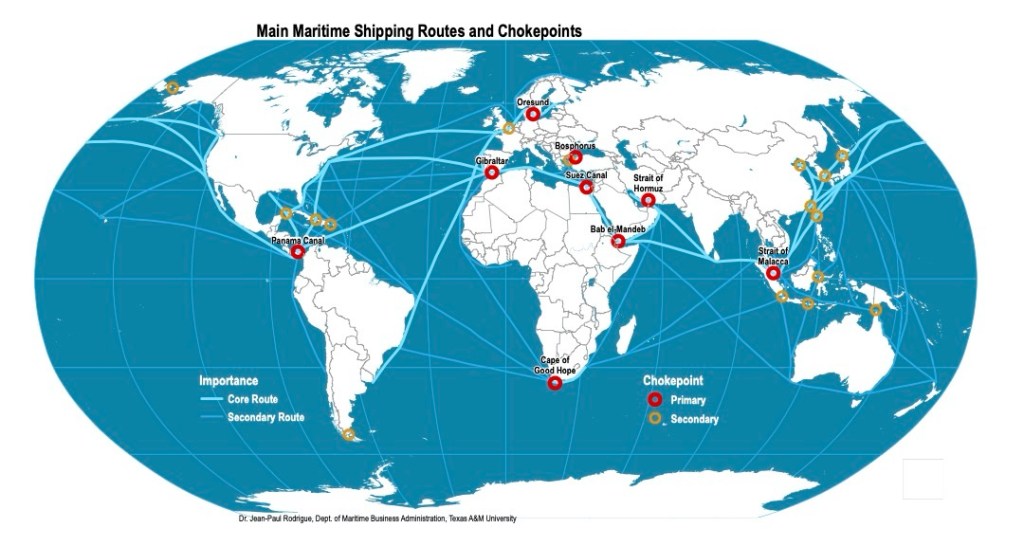

 HUMAN ADVISOR PROJECT