Minimalism is way of living that will allow the people to realize the requirements for living a comfortable life. As there are no theorems to prove the definition can vary to understanding of respective person and community. It will help us to conserve resources for future generation along with it will reduce pollution to great extent. Minimalism also will allow healthy lifestyle avoiding excessive eating, needless luxury and most importantly to be effective. The unconscious consumption is leading great burden in human life, it is affecting several factors of Environment. Minimalism sometimes misinterpreted as spending less money, In fact, it is spending money on right requirement. Purpose of being minimalistic is to contribute to sustainable environment to conserve resources.
There are certain elements identified to represent minimalism as an indicator to sustainability and numbers taken from references not presented in this article.
Fast fashion
With the fancy to look a par with trend we are falling for multiple marketing trends by companies, we are buying clothes more than required. To meet the demand the manufacturing of clothes is being done in short time with less resources companies are degrading the quality of the clothes. It is affecting the environment in many ways and consuming excess of water. It takes around 1,800 gallons of water to grow enough cotton to produce just one pair of regular blue jeans. In countries like Bangladesh where there is high export of less expensive clothing, The tanneries release about 22,000 cubic meters of toxic wastewater into nearby rivers every day. Fast fashion not only emits 10% of carbon emissions from human but also pollutes ocean with micro plastic. Respecting minimalistic values will reduce tenuity to follow the trend and thereby decrease carbon emissions through clothes.
Over consumption of Food
Conscious consumption of food is helpful to body and environment. We are unaware of the requirement and consumption of food that is necessary for us. There are different reasons to demonstrate excessive consumption i.e., stress, lethargy and uniformed about environmental emissions. Excessive eating is impacting the organ failures and impacting 40% mortality rate . If we are careful about quality and quantity of the food, we can reduce up to 30% of greenhouse gas affects. Being minimalist is to eat what is good, not more.
The scarcity of water is also a problem that minimalism address where overconsumption of water is leading to lack of safe water for 1 in 10.
Abstemious lifestyle
Minute things we do in everyday life will have high impact altogether. Minimalism will attract people to contribute their fantasies for a better cause. It must be fascinating to live in big house, driving many cars and using number of resources, there are debates stating people are free to live the way they want to until they are respecting the legal rules. With due respect to everyone who have gone through to earn this luxury and prosperity, the questions are “Are we spending on right requirement”, “Is your luxury affecting the community and environment in any way “. Minimalism is not against expensive products, it is not for luxury impacting environment. Multiple gadgets, automobiles and luxury homes consumes lot of resources and creates social impact on people living in the community. Even after obligation to respect ISO 14001 norm and companies policy to recycle approximately 40%, emissions are growing as the global energy demands of the gadget sector will grow 7 to 20 percent by 2030. We reach a footprint of having 720kg CO2e per £1000 spent(approx.) On car manufacturing. Have large homes where high number of resources are used and constructions abandoned for long period of time is not sustainable way of living.
Growing desires of the society is proportionate to consumption of resources. In view of suitability, it is highly important to identify wants and needs. Living with principal needs is proven to be supportable to the nature and healthy for body and mind. This article proposes the practical parameters to consider minimalism as indicator like green electrons and footprints to measure sustainability. There are only few critical problems addressed above to align minimalism principles and explain environmental effects.
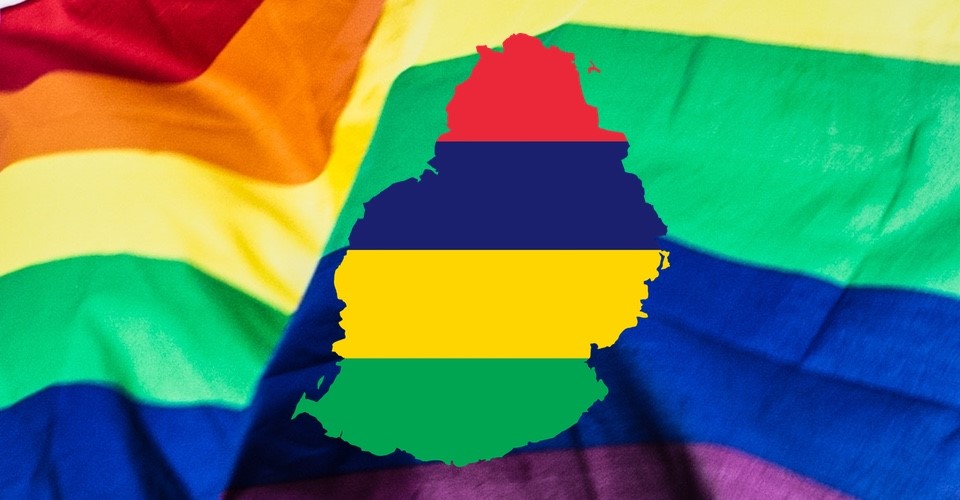
The interpretation that Mauritius prides itself on diversity and multiculturalism, gets lost in translation owing to the majority of the population being born and brought up with a conservative mindset. With a new era comes a new trend, a new lifestyle, a new mentality and you may not agree with everything, that’s your fundamental right, your freedom of expression but the main rule is to learn to live in peace with the numerous differences of opinions people have being exposed to other cultures and religions. The stereotypical island you see, on Social Media and in Catalogues that’s only the country’s landscapes, that’s the illusion of us Mauritians living in ‘Paradise’, the reality lies within the minds of Mauritians, how we live amongst ourselves and actually treat each other.
The Mentality
The LGBT Community in Mauritius has only recently started to show themselves in public. The word ‘gay’ or ‘lesbian’ was always taboo or unheard of. However, shockingly enough, the unspoken truth is that the conservative mentality does play a key role in making people turn to the LGBT Community as a safe haven. One of the most common myths in Mauritius is that LGBTQ people are mentally ill or have been subjected to witchcraft, and that they can be cured through therapy or prayer.
Here is the paradox: 95% of the State schools are divided into ‘only girls’ or ‘only boys’ which already demonstrates that for the crucial part of our lives, we are stuck to interact with the same-sex. Teenagers are terrified to date because we were brought up with the ideology that we should not think about dating until we are completely done with our education or because it is unreligious. This thought process is derived from parents mainly of the Asian diaspora. Girls and Boys who want to date, hide it. Since, chances are that, if your parents find out, all hell breaks loose, with the teenager suffering mental or physical abuse as a consequence. Thus, they reach a point where they decide to never face their parents in that way ever again.
In this scenario, the next best alternative, is to date someone of the same-sex. After all, girls interact better with girls and vice versa. The advantages present themselves as being more convenient and less risky.
Therefore, conservative parents who are anti-LGBT, end up in a weird twisted way traumatizing them for being in a ‘straight’ relationship whereby they feel safer and better being in a same-sex relationship. The same applies to over religious families who force their children to practice religion to a point where they are uncomfortable in their skin and turn towards a community which accepts people for who they are unconditionally.
The tragic part in this is that when their parents find out, they rather kill themselves because that’s better than facing any sort of confrontation.
I had a friend who lived in my neighborhood and when she turned 18, her parents started talking to her about marriage and kept on bringing up the same topic to a point where she ended up telling her dad that she could never love a man, the same night, her dad scolded her so badly that she took his belt and hanged herself. The next morning, the police arrived at the scene but obviously since it was the case of a ‘lesbian daughter killing herself’ there was no media coverage.
Where are the rights of these people? We live in a democracy and yet the LGBT Community are oppressed and looked down upon.
However, there are double standards that are highly present. Those anti-LGBT people, who aid in suppressing the rights of the community to live in peace normally are the same group that would go to the gay makeup artist, the gay fashion designer, the gay hairstylist or even wedding planner. Since that community, in Mauritius, the few that I mentioned are starting to rise up in public, are extremely good at their jobs. Yet, when it comes to the rights of these individuals, the silence is loud.
The Law in Mauritius for LGBT
Unfortunately, there are no forms of protection whatsoever that have been put in place for those cases and no existing laws for the LGBT community. The only laws that exist mentioning “sexual orientation” are The Equal Opportunities Act 2008 and the Workers’ Rights Act 2019, that prohibit discrimination on the basis of sexual orientation. However, people in the LGBT Community are constantly bullied and made fun of and do still face discrimination and harassment whether in person or on social media.
The most recent development in the LGBT laws was in 2021, where a crucial hearing was brought before the Supreme Court of Mauritius by Abdool Ridwan Firaas Ah Seek which challenged the constitutionality of discriminatory law targeting the LGBT Community, specifically gay men. Section 250 of the Mauritian Criminal Code 1838 (Sodomy) formed the basis of this case. Sodomy in Mauritius is illegal and carries a penalty of up to five year’s imprisonment. The case is yet to be decided. This case notably, proves to be a landmark case in finally voicing out the atrociousness of gay men being considered as criminals in their own country.
Not too long before the case, in 2018, for the gay pride march, the march was halted as the Prime Minister, the Commissioner of Police and the organizers of the event decided it was too unsafe to go forward with the event due to the pride leader receiving hundreds of death threats in only one day. Anti-LGBT protestors had gathered with the intention to attack and harm the LGBT Community.
Therefore, it is obvious, that the Mauritian population lacks education on the LGBT Community or skills and know-how about co-existence. The LGBT Community is not seeking in converting people from conservatism to pro-LGBT, what they are striving at is a neutral equilibrium of acceptance. It is at the end of the day, a blessing and a curse to be Mauritian; to live on a beautiful island but without peace, justice and liberty.
By Samia Mallam-Hasham Human Rights Advocate and Barrister-at-Law
The EU’s closest neighbor is undoubtedly Africa, with which there are deep historical and cultural ties.
A strong partnership is needed here, as economic, political, social, climate and environmental changes in Africa are creating new perspectives and new challenges. New perspectives include low-cost renewable energy, green transition, low-carbon economy, blue economy and circular economy. There are also key challenges: climate change, environmental degradation and pollution.
This is why Africa and the EU must work together to address challenges and opportunities by building a partnership that promotes, among other things, sustainable livelihoods, the fight against climate change, sustainable economic growth based on healthy ecosystems, access to sustainable energy and the protection of biodiversity and natural resources. This partnership is therefore crucial for the achievement of the goals set by the Paris Agreement (December 2015) and the 2030 Agenda (September 2015).
Over the past two decades, the African continent has experienced significant economic and demographic growth, making Africa a dynamic and young population. Alongside this growth, there is a clear need for reliable and sustainable energy sources that can provide Africa with the necessary supplies. There is no doubt that the African continent has great potential in terms of renewable energy, however today only 2% of energy comes from renewable sources. The limits to the development of these technologies in Africa are linked as much to internal political issues as to relations with regional and international actors.
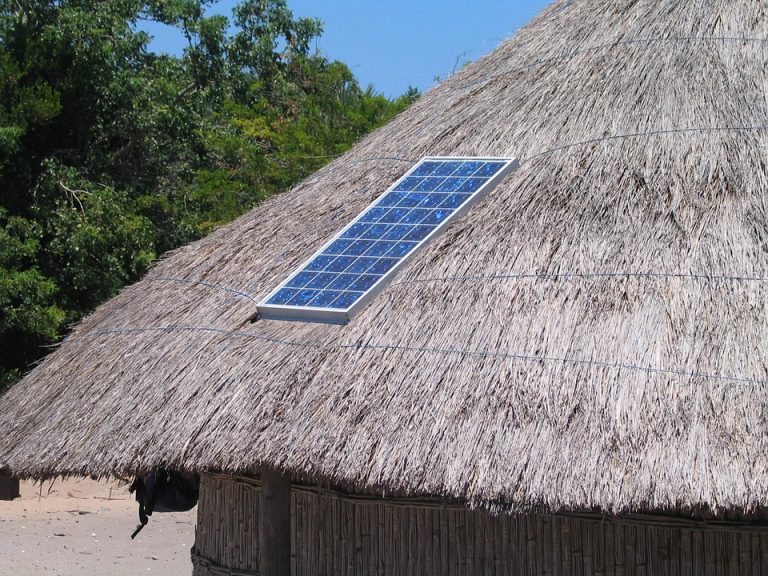
As a fast-growing continent, Africa has an extremely high demand for energy, which explains the high-energy potential of a continent where renewable energy sources are used in many countries to meet local energy needs. Small wind, solar and geothermal power plants are present in many places in Africa and provide energy in remote areas where there is no distribution network. However, studies show that about 50% of renewable energy investments in Africa between 2009 and 2018 came from Foreign Direct Investment making the African renewables sector particularly dependent on foreign financiers. Undoubtedly, such investments have grown over the years, but they still remain few when compared to those directed towards other continents such as Asia. This lack of investment is rooted in certain political and regulatory constraints that make investment in Africa unstable and risky, discouraging international players. It is no coincidence that, despite the growing demand for energy and the huge potential for renewable electricity generation on the African continent, investment in renewable energy in Africa is still limited and highly dependent on internal, regional and international political and economic variables.
Right time in the right place
Africa has significant advantages and prospects for renewable energy because of its abundant sun, wind, and geothermal resources.
Mineral resources are rich in Central and Southern Africa, which are critical for the development of electric batteries, wind turbines, and other low-carbon technology.
Only 2% of worldwide renewable energy investments were made in Africa over the last two decades, with considerable regional differences.
Africa employs less than 3% of the world’s renewable energy workers.
In 2019, the electrification rate in Sub-Saharan Africa remained stable at 46%, with 906 million people still lacking access to clean cooking fuels and technologies.
For its part, on 15 April 2021, the European Union supported the initialing of a new partnership between the EU and the members of ACP (Africa, Caribbean and Pacific). This agreement provides for a ‘3+1’ structure, a common basis for all 88 countries involved, setting out values and priorities, complemented by three different regional protocols (one for Africa, one for the Caribbean and one for the Pacific). The 20-year agreement provides for the achievement of the goals set out in the European Green Deal, the SDGs of the 2030 Agenda and the Paris Agreement. Moreover, precisely in relation to African demand for renewable energy, the EU has supported the African-led “African Renewable Energy Initiative” (AREI), which aims to accelerate and increase the exploitation of the continent’s huge renewable energy potential (10GW by 2020 and 300GW by 2030). The EU has a strategic interest in supporting this initiative, whose objectives, identified in the Partnership for Green Transition and Energy Access included in the future comprehensive strategy for Africa, are aligned with the European Green Deal.
I propose below a report of the situation in theese days in my country, which I really hope can change with the diplomatic support of the international community:
Summer is the season of war in Afghanistan. Small resistance groups have emerged in many parts of the country. In recent months, many smaller groups have signaled their readiness to fight and pledge to fight against the Taliban. In addition to these groups, an increase in attacks by ISIS or the Islamic State terrorist group could push Afghanistan back to the brink of war.
Coordination of small groups for war.
While the goal of all these groups is to overthrow the Taliban government, they are facing difficulties due to lack of coordination and unity. The Institute for Studies of War, headquartered in Washington DC, released a research report on March 9 entitled “The Taliban and Opposition Groups Prepare for a New Spring War in Afghanistan” prepared by Mr. Peter Mills. “The National Resistance Front (NRF) has stated that it is preparing for attacks in the spring of this year and will continue to carry out attacks targeting the Taliban government,” it said.
The NRF is the first non-IS group to oppose the Taliban, led by Ahmad Massoud, the son of former Northern Alliance leader Ahmad Shah Massoud.
According to reports, the Taliban’s mass arrest campaign is likely to increase local support for the NRF, a campaign led by a senior Taliban commander Gorzang with links to the Haqqani network.
Peter Mills said that in order for these groups to have a decisive influence in competing with the Taliban government, more coordination and unity is needed.
Jonathan Schroeder, director of the Threats and Challenges Program at a non-profit research and analysis organization, says the lack of coordination between these groups has led to the group’s inability to form a broad-based resistance movement. Experts say the uprisings could last for years and that what is today a small group of, these groups could turn into a full-scale and bloody uprising.
The Taliban and the readiness for war.
The Taliban are also actively sending troops to northern and other parts of Afghanistan to limit the capabilities of anti-Taliban forces in the spring. Shortly after the Interior Ministry’s Special Forces entered the Panjshir Valley on January 31, the Taliban began sending aid to the Panjshir Valley, including the Taliban’s Red Brigade forces, on February 2, local reporters reported. The Ministry of Interior has sent several thousand Taliban fighters to the valley. Abdul Haq Wasiq, the Taliban’s intelligence chief, visited the Panjshir Valley on February 7 to assess the security situation. According to reports, Mullah Mohammad Yaqub, the Taliban’s defense minister, entered Panjshir province on February 21 to conduct a military operation against the NRF.
Overall, these actions show that the Taliban leadership is concerned about (NRF) attacks in the Panjshir Valley and wants to take a more proactive stance against (NRF) forces. In Herat province, the Taliban-Al-Farooq corps deployed three battalions on February 10 in Jawand, Ab Kamari and Tagab Alam districts of Badghis province. The Taliban’s Al-Farooq Corps deployed another battalion in the Barchman district of Farah province on 14 February. The 3rd Brigade of the 217 Omari Corps of the Taliban conducted military exercises and maneuvers in Baghlan province on 19th February. The 7th Brigade of the 207 Taliban Omari Corps conducted a military exercise near Farkhar district in the southeast of Taloqan city in Takhar province on 21 February.
The Taliban’s 203 Mansoori Corps sent 1500 troops from Paktia province to Bamyan province on February 22th.
The deployments and exercises come as popular pro-Taliban social media accounts report that the Taliban sent thousands of additional security forces to Takhar and Badakhshan provinces, some Afghan journalists reporting that the Taliban government has been deployed ten thousands additional troops in Badakhshan, Takhar, Baghlan and Kunduz provinces, under the guise of additional deployments, and it appears the Taliban may be sending more troops to northern Afghanistan.
The Taliban formed a new battalion in the Kohistan district of Kapisa province on 12 February. Taliban security forces, led by Mullah Fazel Mazloom, the Taliban’s deputy defense minister, began conducting house-to-house searches on February 25 in Kabul and nearby provinces to crack down on insurgents, according to reports from the Haqqani network and Both Taliban groups in Kandahar support the operation.
The Taliban are also conducting security operations in eastern Afghanistan, In Nangarhar province, the local Taliban leadership has inaugurated a new military unit called the (Panipat) Operational and Security Unit at the Nangarhar governor’s office, according to reports The unit will be responsible for conducting (special targeted operations), according to Abdul Hamid Khorasani, the unit was created to counter the IS-KP re-emergence, although in the past few weeks IS-KP There has been a significant drop in activity, but it should also not be overlooked that the Taliban continue to build new military forces in the region, indicating that they are concerned about IS-KP.
War and Pakistan.
Pakistan has been controlled by the military since its inception. The civilian governments there are only symbolic, Foreign policy, especially against Afghanistan and India is determined by the Pakistani military, Foreign policy instruments against it should be war issues, especially terrorism. The recent tensions between the Taliban and Pakistan along the Durand Line have made Pakistan anxious to rethink the Durand Line, and how Afghanistan Make it a battleground to facilitate the activities of terrorist groups and their transition to the region.
ISI.
Pakistan’s intelligence chief Nadeem Anjum is probably meet with key Afghan politicians, including Abdul Rashid Dostum, Atta Mohammad Noor and Mohammad Mohaqiq, in Ankara, Turkey, on February 13, according to reports, Ahead of this meeting, Anjum meet the NRF chief Ahmad Massoud in an undisclosed regional country, possibly in Tajikistan.
Anjum called on the meeting to respond to Pakistan’s concerns over the (deteriorating situation) in Afghanistan and claimed that Pakistan wanted to maintain strategic relations with non-Pashtun Afghan politicians who were well-suited for a compromise on the Durand Line.
According to reports, Atta Noor’s close aide Wasif Hakimi said that Anjum was unhappy with the Taliban government for not including other Afghan political parties in the government.
Popular pro-Taliban social media accounts denounced the meeting as a “betrayal” of Pakistan and called for military action against Pakistan, the ongoing border violence would further complicate relations between Pakistan and the Taliban government. This will cause Pakistan to increase its ties with the anti-Taliban forces.
New warlords
1- Freedom Front.
One of these new militant groups is the Afghan Liberation Front, which released a video on February 4 showing its determination to fight the Taliban, using a special flag and so on, Apparently not affiliated with the NRF, the group’s spokesman criticized the Taliban as a “terrorist group” that has kidnapped and killed women, journalists and civil society activists and starved millions of Afghans.
2- Wolf Unit
Unconfirmed reports in early February suggest that Yar Mohammad Dostum, the eldest son of the famous Uzbek commander in Afghanistan, Abdul Rashid Dostum, is preparing to enter Afghanistan and has formed a new group called the “Wolf Unite”.
3-National Liberation Front of Afghanistan.
The Afghan National Liberation Front (ANLF) has released a video announcing its presence in the mountains of Kapisa province to launch an armed resistance against the Taliban. The video also includes several women protesting against the Taliban government, Speaking and referring to them as “occupiers”, the speakers spoke in Dari and Pashto, suggesting that the group may be multi-ethnic.
The group has not identified its leader, but recent reports suggest that former Afghan Defense Minister and Chief of Staff Yasin Zia is one of its leaders.
4- Turkestan’s Freedom Tigers.
Another armed militant group, the Freedom Tigers of Turkestan, attacked a Taliban checkpoint south of the city of Sheberghan in Jawzjan province on 7 February.
5-National Islamic Movement for the Independence of Afghanistan.
The group, led by Abdul Matin Sulemankhel, a former commander of the Afghan National Army’s Special Forces, announced its existence on February 16 and is believed to be the largest Pashtana anti-Taliban group in the country, Suleimankhel said, Formed in response to executions of former Afghan army members and desert courts. He called the Taliban’s amnesty a lie.
Suleimankhel claimed in an interview with Afghanistan International Television on April 13 that the group had military and political activities in 26 provinces of Afghanistan.
The group’s allegations about the killing of a Taliban commander in Helmand appear to be credible.
5- General Sami Sadat
General Sami Sadat, a well-known military general in Afghanistan, has considerable experience fighting the Taliban, leading a historic battle in Helmand that has resulted in numerous casualties for the Taliban, a modern-day technologist and an internationalist. He has also declared war, expressed his support for the National Resistance Front, and a voicemail related to him on social media indicates that he is working on the integration of the Afghan Special Forces and will continue his work after Eid. Start activities.
6- Unidentified armed group in Herat zone (Badghis).
Unidentified gunmen bombed a mosque in Qala-e-Naw, the capital of Badghis province, on February 11, according to reports, two local Tajik Taliban commanders, Noor Agha and Saleh Mohammad Pardel, operating in Ab Kamari and Qadis districts, who revolted against the Taliban leadership in Badghis province in mid-January, Idris Mubarez, the (NRF) commander, announced a new NRF group in the same district on 18 February.
7- Other groups
In recent weeks, small anti-Taliban groups linked to former Balkh governor Atta Mohammad Noor have appeared in a series of videos apparently taken in northern Afghanistan.
In a recent video, several armed men wearing masks and posing as members of the “High Council of Resistance” identified themselves as “Noors” These men then threaten to start guerrilla warfare if they receive orders from (Noor).
Other groups that have made their efforts public in recent weeks and have little information about their leadership and capabilities include the Freedom Squad, the Hazaristan Army, the Democracy and Liberation Front.
Conclusion.
Afghanistan’s complex geographical location, geopolitical situation and history indicate that these small groups will be used for foreign political purposes and the country will once again be plunged into war.
On the other hand, looking at the current Taliban government, it seems that no country has been recognized so far and no country has stood behind this government, so it will be difficult for the Taliban to resist, given that the republic has resisted the Taliban for 20 years, The reason given was that the whole world stood with the Afghan government politically, economically, culturally and militarily. And also some mistakes in policies of the Taliban could lead the world to conclude that reconciliation with the Taliban is impossible and that publicly, it must stand with the opposition and provide them with logistical support. Taliban would need to rethink their strategy and find diplomatic solutions inside and outside the country to avoid constant war situations and to gain position in the international community.
These and many other indications are that the country is once again heading for a bloody war, and that the Taliban need to change its hardline policies in order to establish a clear engagement with the world, Place all sides in and step together with the world.
The international community must also pay close attention to Afghanistan’s fragile political, economic and security situation so that it does not once again fall into the trap of terrorism, so that the world does not witness the 9/11 attacks again.
Sources has been used in this article.
1- (AFGHANISTAN IN REVIEW: TALIBAN AND OPPOSITION GROUPS PREPARE FOR A NEW SPRING FIGHTING SEASON IN AFGHANISTAN Publishing by Institute for the Study of War, written by Peter Mills, date march 9- 2022
El pasado 08 de marzo, el Congreso Peruano, promulgó la Ley 31168 (la cual fue aprobada el día 14 de abril): Ley que promueve el empoderamiento de las mujeres rurales e indígenas, el cual tiene como objetivo fortalecer, a través de acciones afirmativas, el empoderamiento, la igualdad de oportunidades y el desarrollo integral de las mujeres rurales e indígenas, potenciando su autonomía económica, cultural, social, a través de la capacitación y el financiamiento productivo[i].
Al implementar esta ley, se busca que las mujeres peruanas de zonas rurales fortalezcan sus capacidades y de esta manera puedan acceder a mayores oportunidades de desarrollo económico y social; asimismo, las mismas pueden ser más independientes en diversos ámbitos, siendo protagonistas en las cadenas productivas rurales, e incluso, en temas de interés actual como la producción agrícola y el desarrollo sostenible, dentro de un mundo rural en el cual, por tradición, el hombre es el encargado de liderar la cadena económica y social de cada grupo social.
Mujeres y empoderamiento
Actualmente, aproximadamente hay más de 3 millones 500 mil mujeres que habitan en las zonas rurales del país, según datos del Instituto Nacional de Estadística e Informática (INEI). Las mujeres rurales e indígenas cumplen un papel importante en el desarrollo de sus comunidades, de sus familias y como proveedoras de alimentación ganadera y agricultora a nivel nacional.
Abrir en discusión la desigualdad de género existente y empoderar a las mujeres en las cadenas productivas, aporta a brindar herramientas para su crecimiento a través de capacitaciones, debido a que este es un avance para ir reduciendo la brecha existente de género y que tanto las empresas privadas que realicen proyectos de esta índole como el sector público que genera políticas sociales, asegurando el empoderamiento de la mujer rural e indígena, el acceso a una igualdad de oportunidades rompiendo un sistema patriarcal en el cual la mujer ya empieza a tener mayor protagonismo, asegurando su desarrollo sostenible en el tiempo.
Visibilizar la labor que realizan las mujeres en zonas rurales a través de su empoderamiento, contribuiría a que la mujer tome mayor acción en el desarrollo económico rural, mejorando de esta manera los beneficios de las mismas y siendo agentes de cambio para el cambio de las estructuras rurales (pobreza, desigualdad, accesos a servicios, etc.)
Reflexión
Parte de los objetivos de la ODS 5 (Lograr la igualdad entre los géneros y empoderar a todas las mujeres y las niñas) son: a. Emprender reformas que otorguen a las mujeres igualdad de derechos a los recursos económicos, así como acceso a la propiedad y al control de la tierra y otros tipos de bienes, los servicios financieros, la herencia y los recursos naturales, de conformidad con las leyes nacionales, b. Mejorar el uso de la tecnología instrumental, en particular la tecnología de la información y las comunicaciones, para promover el empoderamiento de las mujeres, y c. Aprobar y fortalecer políticas acertadas y leyes aplicables para promover la igualdad de género y el empoderamiento de todas las mujeres y las niñas a todos los niveles.
Las mujeres rurales e indígenas realizan actividades de diversos tipos, entre ellas son labradoras de terrenos agrícolas. A su vez, garantizan en muchos casos la alimentación de sus comunidades y son activas voces frente a los cambios sociales y climáticos que se viven actualmente.
Históricamente, el sistema patriarcal en la sociedad peruana es la base de diversos contextos sociales, lo cual se ha derivado en existentes brechas de desigualdad entre hombres y mujeres en múltiples sistemas de producción. En las zonas rurales e indígenas, muchos derechos de las mujeres son vulnerados a través de la inequidad de accesos y fortalecimiento en contexto sociales, económicos, políticos y culturales, lo cual se ve representado en la falta de acceso a fortalecimiento de oportunidades y capacitaciones que podría dar herramientas para mejorar la productividad de las mujeres rurales.
Empoderando a las mujeres rurales e indígenas (Y también abriendo un camino a las niñas rurales) no sólo cumpliría el ODS 5, sino también generaría que los derechos de las mujeres se cumplan, y que sean incluídas en un espacio del cuál ya son parte, sin embargo, son invisibilizadas, generando que no solo sean incluidas, sino también las niñas sientan que se está abriendo camino a una nueva sociedad en la cual serán consideradas y podrán tener las mismas oportunidades que los hombres.
El Gobierno Peruano no sólo debe asegurar el cumplimiento de la Ley 31168, sino también debe generar mayor políticas públicas hacia un sector que no ha tenido mayor voz en un país no solo patriarcal, sino también desigual entre clases sociales.
[i] Diario Oficial “El Peruano”. Lima: Congreso de la República (15.03.2021). Ley Nº 31168
In Afghanistan, as almost everywhere in the world, a person’s family is the most important part of his or her identity in society, and a family’s honor is a key factor in how other families evaluate its social standing. Women’s rights and fairness, which are components of human rights, are supported by Islamic law and philosophy, which has its goals in the realization of justice, fairness, and dignity for all people. Afghan legal documents likewise supports gender equality and fairness, as seen by the 1964 Constitution.
In a general view of the situation of women in Afghanistan, in the first step, I consider it necessary to have a comparative view in order to clarify the situation of women before and after the Islamic Emirate. Has imposed a history on the women of Afghanistan. Also, at the macro level, there are three basic questions in the discussion of the current of feminism; During the reign of Amir Abdur Rahman Khan (r. 1880–1901), a women’s rights movement arose in Afghanistan.
First: Why did women get into this situation?
Secondly: How did she become isolated?
Thirdly: What were the consequences for women?
These are the three basic questions of the current of feminism, the answer to which can be found in three waves, which here is not an opportunity to examine the waves of formation of the current of feminism, and it must be said that its head is the beliefs of men and beliefs that It has historically perpetrated oppression and discrimination against women, but so has it in Afghanistan. In ancient times, the view was that women who could not go hunting and could not provide alimony, and then the thesis of practical work and work outside the home was pushed out and forced to go home and spend time working around the house arena.
Tribal laws and punishments have frequently taken precedent over Islamic and constitutional laws in determining gender roles, particularly in rural areas where family hierarchies exist. Women’s positions and rights have been jeopardized by tribal power maneuvers, honor structures, and inter-tribe displays of patriarchal control. Hence, making men’s historical views spread to everyone.
In Afghanistan values and culture are subject to belief and religion, and it depends on the religious practices whether religion is tolerant or not.
Afghan women today
Women’s rights were significantly improving in Afghanistan over some years when relatively few national and international institutions and authorities were active in defending and protecting women’s rights. Women were present in government offices, political jobs, social activities, and there were the largest conferences and programs for women. Women were allowed to talk freely because their presence in administrative positions and women voters in elections.
However, while these advantages and possibilities were available to women in Kabul, women and girls in Afghanistan’s countryside remained primarily trapped in religious practices with little news of political and civic activity rights. There was no work, even to the point where their basic human rights were unknown, and for the past two decades, the space for Afghan women and girls has been generally open, with opportunities for growth and education, yet all these efforts to attain rights were gone and dreams became unachievable with the arrival of the current regime which is conservative.
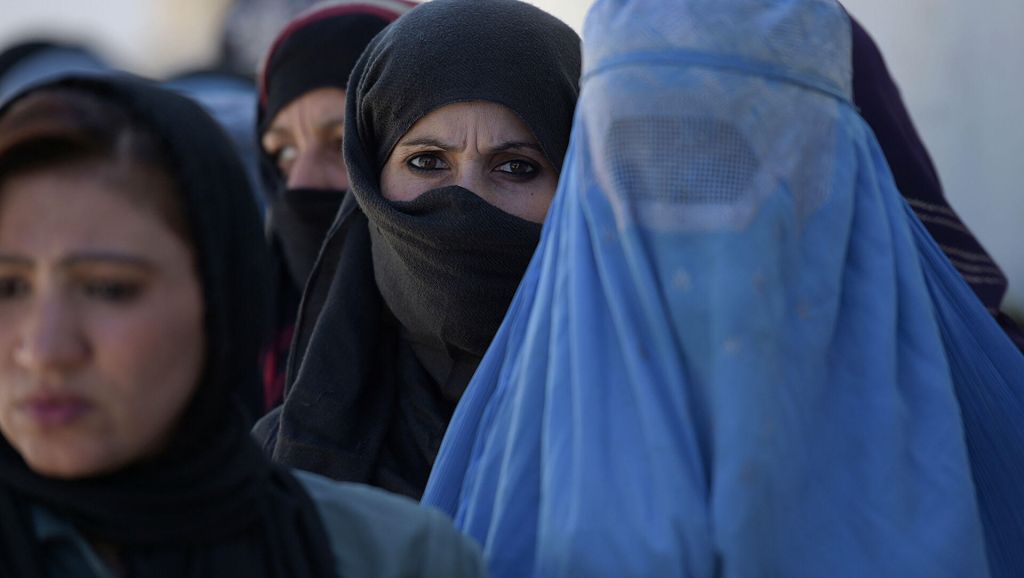
Women’s faces have been barred from all forms of media, including advertisements and television; schools for girls have been closed; and women are not allowed to leave their houses without a male companion.
According to a 2019 poll performed by UN Women and Promundo and summarized by Reuters, only 15% of Afghan males feel women should be permitted to work after marriage, and two-thirds worry that Afghan women have “too many rights.”
There appears to be little hope that conditions will improve in the near future, given the Taliban’s failure to follow through on their first promises regarding women’s rights. The only way out is to persuade the rest of the world of the magnitude of the situation and apply diplomatic pressure on the Taliban to fulfill their promises.









 HUMAN ADVISOR PROJECT