La doppia natura di TikTok

Lo scorso marzo una coalizione di procuratori provenienti da 8 Stati statunitensi (Massachusetts, California, Florida, Kentucky, Nebraska, New Jersey, Tennessee e Vermont) ha annunciato l’apertura di un’indagine sulla piattaforma cinese TikTok per capire se i metodi e le tecniche utilizzate dal social possano arrecare danni su giovani ed adolescenti. 

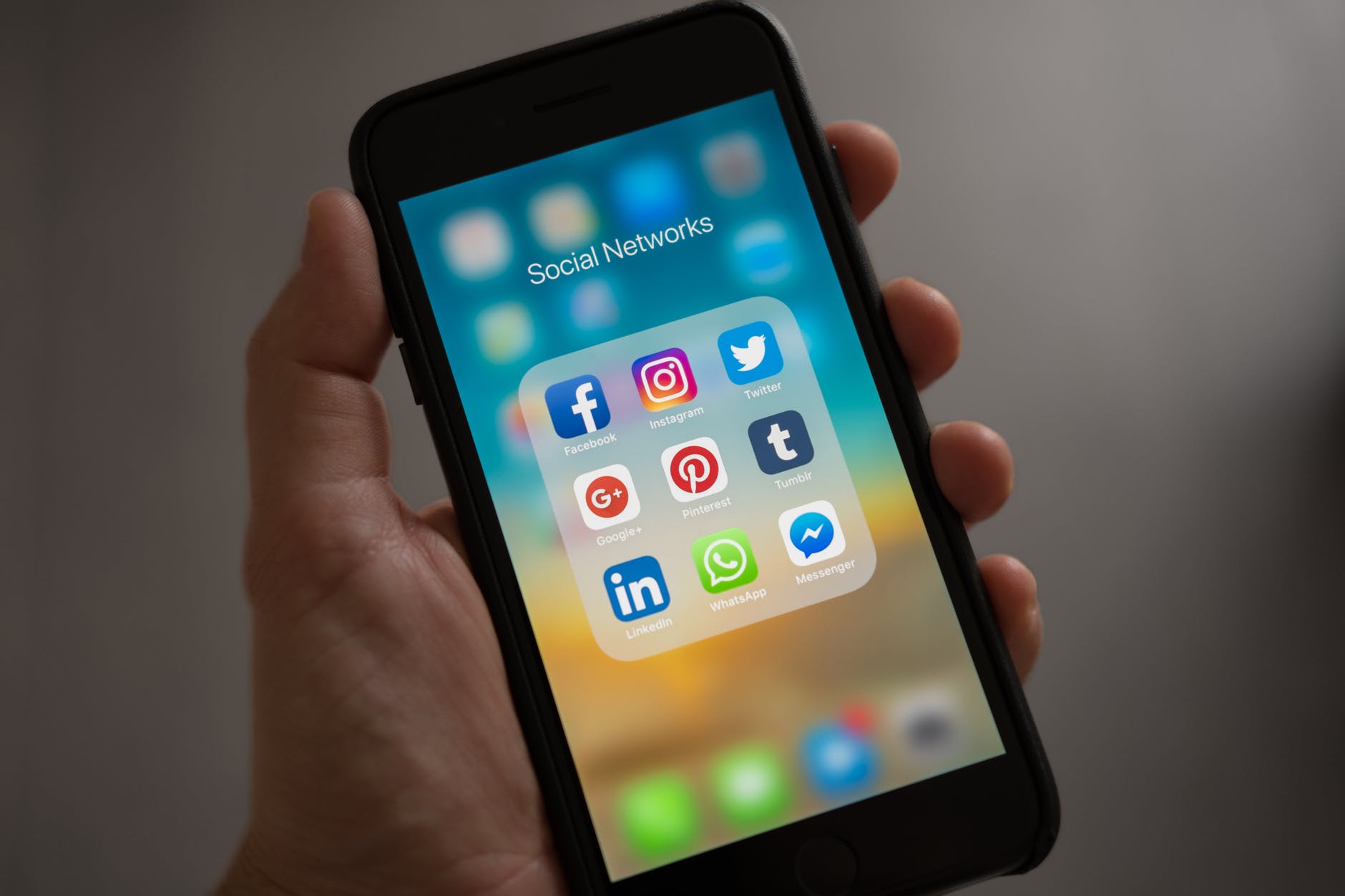
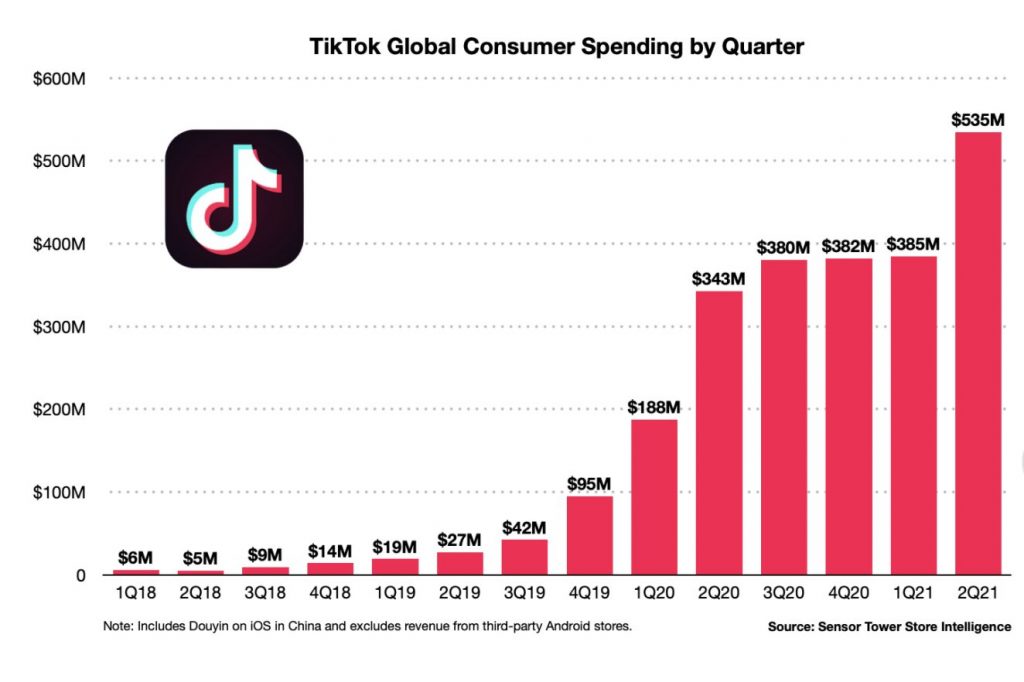
Il social network cinese, lanciato inizialmente nel 2016 con il nome di Musical.ly, ha conosciuto un incremento notevole nel corso del 2020 complice anche la pandemia da Covid-19; il social è infatti divenuto estremamente popolare tra preadolescenti e adolescenti soprattutto grazie alle misure di isolamento anti-contagio. Tale popolarità ha portato con sé una serie di conseguenze e preoccupazioni, con l’Unione Europea che ha chiesto la creazione di una task force dedicata a mettere in guardia utenti e non solo dai rischi del social cinese. Ma cosa rende TikTok così popolare? Innanzitutto per navigare sulla piattaforma non è necessario aprire un account, basta infatti scaricare l’app per visualizzare tutti i contenuti presenti sul social, dopodiché ci si troverà davanti video con una durata che va dai 15 ai 60 secondi arricchiti da canzoni, effetti sonori e visivi estremamente attrattivi. La fase di registrazione è la prima che ci si trova davanti quando viene scaricata una nuova piattaforma ed è estremamente importante, basta richiedere un’informazione personale di troppo per perdere un potenziale utente. Avendo eliminato questa fase TikTok si rende immediatamente utilizzabile già dopo l’installazione, catturando l’interesse delle fasce più giovani di età notoriamente inclini ad una veloce perdita di interesse (circa il 66% degli utenti è di età inferiore ai 30 anni).

Dai colori all’impostazione, l’app di TikTok è stata realizzata con l’intento di intrattenere gli utenti e farli rimanere sulla piattaforma il più a lungo possibile. Chiunque lo abbia utilizzato almeno una volta, infatti, sa quanto sia difficile smettere di scorrere i video uno dopo l’altro. Tutto ciò ha senza dubbio un impatto rilevante sulle nostre vite personali e professionali, influenzando il modo in cui comunichiamo, restiamo connessi e condividiamo informazioni. Già nel luglio 2019 – prima ancora che la pandemia da Coronavirus ne accentuasse l’uso – il numero di utenti attivi sui social media in tutto il mondo aveva raggiunto i 3,534 miliardi, di cui si stima oltre 500 milioni siano attivi su TikTok.

Tuttavia, se da un lato il social cinese possa sembrare solo un’app divertente, dall’altro non devono essere tralasciati gli effetti ancora sconosciuti sulla salute soprattutto di giovani e giovanissimi. 

Diversi studi, infatti, hanno dimostrato che un uso eccessivo dei social media può essere specchio e coadiuvante di una depressione. Nella maggior parte dei casi le preoccupazioni legate agli effetti negativi dei social si riferiscono alle ripercussioni per i più piccoli ad esempio in termini di cyberbullismo o challenge pericolose (di cui parleremo successivamente). Sebbene tali pericoli siano concreti e la maggior parte della narrativa pubblica sugli effetti dei social media affermi che la sola esposizione ad essi sia legata a problemi di salute mentale, uno studio condotto da Chloe Berryman, Christopher J. Ferguson e Charles Negy ha rilevato che la qualità piuttosto che la quantità dell’uso ha un impatto maggiore. 

Nell’ultimo decennio, l’aumento del disagio mentale e del trattamento delle condizioni di salute mentale tra i giovani è cresciuto proporzionalmente ad un forte aumento di partecipazione “inconsapevole” nei social media da parte di bambini e adolescenti. In particolare, diversi studi hanno scoperto che spesso, l’uso inconsapevole dei social media è associato a preoccupazioni per l’immagine corporea e ad un’alimentazione disordinata. 

Negli ultimi anni il susseguirsi di fatti di cronaca legati all’app ha messo TikTok al centro di severe polemiche da parte dell’opinione pubblica, soprattutto genitori e parenti, intimoriti dai pericoli in cui i più piccoli possono incappare. Indubbiamente la paura principale è legata alle cosiddette Challenge, ossia sfide pericolose, pubblicate e divenute estremamente virali su Tik Tok, dove chi vi aderisce è chiamato ad agire in modo estremo, il tutto documentato su un video per ottenere like, consensi e follower. 

D’altro canto, però, oltre ai potenziali effetti negativi, l’utilizzo di social media come TikTok porta con sé anche esiti positivi come la possibilità di conoscere direttamente fatti ed eventi che accadono nel mondo o di conoscere ed entrare in contatto con esperienze di persone nelle quali ci si rispecchia. In tal senso, un esempio importante è rappresentato dai benefici che la comunicazione sanitaria tramite TikTok ha avuto nel contrastare la pandemia da Coronavirus. I dipartimenti di sanità pubblica hanno, infatti, sfruttato i vantaggi offerti dai social media per fornire educazione sanitaria e per comunicare con i cittadini circa i rischi del contagio. L’isolamento forzato, resosi necessario per arrestare la diffusione del virus, ha comprensibilmente fatto aumentare il tempo “non educativo” trascorso sullo schermo permettendo agli individui, soprattutto ai più giovani, di rimanere connessi con il mondo esterno mentre i mezzi di comunicazione più convenzionali diventavano sempre più impraticabili. La diffusione tramite la piattaforma cinese di informazioni riguardanti il virus, i rischi del contagio e la prevenzione, ha dimostrato di essere un mezzo fondamentale per i professionisti per educare e sfatare la fake news sul COVID-19.  

Da un punto di vista aziendale, grazie alla sua grande popolarità, TikTok rappresenta una piattaforma con elevato potenziale in termini di marketing e pubblicità. Non è un caso che sempre più aziende aprano un profilo sul social cinese o si servano di influencer e personaggi molto popolari per vendere e sponsorizzare i propri prodotti. Questo nuovo metodo di fare pubblicità porta ovviamente notevoli vantaggi, data la rapidità e l’immediatezza di TikTok come strumento vincente per la comunicazione online soprattutto verso un pubblico di giovanissimi. Inoltre, fare pubblicità sul social media risulta particolarmente semplice ed efficiente: basta riprendersi con uno smartphone, aggiungere una base musicale o un filtro accattivante, e condividere il video all’interno della community. 

La piattaforma di per sé è stata ideata contemporaneamente come un meccanismo economico al servizio di mercati multilaterali e come infrastruttura online che permette agli utenti di svolgere particolari tipi di attività. Per supportare queste attività TikTok ha anche lanciato un programma “Back to Business” che sovvenziona le piccole e medie imprese fino a 2.000 dollari di credito pubblicitario per lanciare campagne pubblicitarie sulla piattaforma, nonché la Marketing Application Programming Interface (API) che permette agli inserzionisti di monitorare le metriche chiave e misurare il successo delle loro campagne TikTok. Successivamente, per attirare un maggior numero di utenti il social media diversifica la creazione di contenuti attraverso l’uso di hashtag e challenges. 

Con la popolarità della piattaforma in continua crescita a moltiplicarsi sono anche le convergenze politiche e le azioni di regolamentazione dei vari governi. In particolare TikTok si trova ad affrontare due serie di sfide normative: la policy e la sicurezza dei dati e la regolamentazione dei contenuti. 

Infatti, con una base di utenti costituita principalmente da giovani ed adolescenti la protezione dei dati e della privacy degli iscritti è continuamente sotto l’occhio vigile delle autorità di regolamentazione della privacy. A detta dell’azienda cinese i dati degli utenti sono classificati in tre differenti gruppi: informazioni personali, contenuti generati dagli utenti e interazioni degli utenti. Nello specifico, le prime sono quelle informazioni fornite dagli utenti quando registrano nuovi account (indirizzo e-mail, posizione, età, ecc..), i secondi comprendono i contenuti video prodotti dagli utenti e, infine, gli ultimi contengono i dati su come gli utenti si impegnano nell’interazione sociale su TikTok (amici, like, condivisioni, ecc..). Oltre ad informazioni come età, nome, e-mail o numero di telefono, durante l’uso TikTok raccoglie anche altri dati comportamentali come informazioni di pagamento, servizi di terze parti e dati di localizzazione al fine di migliorare i prodotti e i servizi offerti, offrire la personalizzazione o fornire promozione e marketing. Dopo aver raccolto questi dati, la piattaforma si avvale di un sistema di intelligenza artificiale che analizza dati e contenuti per definire se i video riscuotono successo tra gli utenti, probabilmente basandosi su attributi come engagement e tempo di visualizzazione. Infine, tale intelligenza artificiale propone poi agli utenti dei video basandosi su quelli che ritiene essere i loro interessi. 

Tuttavia, soprattutto negli ultimi mesi, l’aumento della disinformazione su TikTok e, in generale, su molti social (Facebook, Instagram, Twitter, ecc…) ha generato crescenti preoccupazioni circa la necessità di controllare e regolare i contenuti dannosi presenti sulla piattaforma. Altri social media, come Facebook e Twitter, adottano diverse misure (moderazione automatica dei contenuti, fact-checking e flagging) per combattere la diffusione di fake news e contenuti pericolosi, allo stesso modo anche TikTok applica diversi strumenti per individuare e moderare i contenuti fuorvianti e offensivi. Tuttavia, la linea tra combattere la disinformazione e manipolare l’informazione è estremamente sottile. Ad esempio, si è scoperto che TikTok ha moderato i video relativi alle proteste di Hong Kong e Tiananmen ed ha impiegato moderatori di contenuti nella Cina continentale, il che ha sollevato domande riguardo al fatto che il social media potrebbe adottare la moderazione dei contenuti per far avanzare alcuni programmi e politiche. Tutto ciò, ovviamente, non riguarda soltanto la piattaforma cinese, ma anche ogni altro social media. Basti fare l’esempio dello scandalo Cambridge Analytica che vide la manipolazione di milioni di utenti di Facebook durante le presidenziali americane del 2016 per favorire Donald Trump, o i dubbi di molti utenti della piattaforma Twitter a seguito dell’acquisto di essa da parte di Elon Musk (che tuttavia ha dichiarato di averla acquistata per garantire una maggiore libertà di espressione e non una linea particolare). 

Ma chi o cosa decide quali video verranno visualizzati da ogni utente? La pubblicità ha indubbiamente origini antiche, tuttavia considerando il volume attuale del mercato della pubblicità online può sembrare strano che si tratti in tal caso di un fenomeno recente. A discapito di questa storia breve, la vita dell’advertising su internet è stata frenetica fin da subito. Si pensi al fatto che all’inizio degli anni ’90 gli investimenti in marketing online erano quasi nulli e al fatto che nel 2014 siano arrivati ad oltre 121 milioni di dollari. In particolare, tra il 1999 e il 2000 moltissime attività – dalle più grandi fino alle più piccole – cominciarono ad aprire siti web e ad investire denaro nelle strategie di marketing online con l’obiettivo di attirare traffico e potenziali clienti verso i propri spazi digitali. La svolta vera e propria è poi arrivata con la comparsa delle Adwords, quando nel 2000 Google lanciò il suo sistema di annunci rivoluzionando per sempre il modo di fare pubblicità. Successivamente, nel 2005 – anno in cui, tra l’altro, viene lanciata la prima pubblicità su Facebook (nato nel 2004) – YouTube rivoluzionò nuovamente la storia dell’advertising cominciando a promuovere la partecipazione del consumatore attraverso alcune funzioni interattive dei video che potenziavano la comunicazione audiovisiva. La rivoluzione di YouTube offriva un’ottima opportunità per i brand, tanto che poco dopo – nel 2009 – grazie ad un accordo con esso Google lanciò una nuova versione della pubblicità basata sugli utenti. Dunque, l’advertising online comincia con la nascita e la diffusione dei social media stessi e riguarda ogni piattaforma, non solo TikTok.

TikTok, di proprietà della società tecnologica cinese Bytedance, è un’applicazione che tutti possono scaricare gratuitamente sul proprio smartphone e come tale si arricchisce vendendo alle aziende pubblicità altamente mirata. Ciò che però molti potrebbero non sapere, mentre con ingenuità scorrono un video dopo l’altro, è che nel frattempo l’app raccoglie orde di dati su di loro. Questi dati vengono poi inseriti in algoritmi di analisi estremamente avanzati che forniscono a TikTok informazioni circa i contatti, la localizzazione, gli interessi e, ancor più importante, i consumi di ogni singolo utente. Tutto questo consente all’applicazione di fornire pubblicità estremamente mirata su base individuale. 

Detto ciò una qualsiasi pubblicità per essere efficace deve essere vista e rivista e quale miglior spazio se non quello di una piattaforma dove l’utente medio spende circa due o tre ore al giorno? È ormai risaputo, infatti, che i social media in generale producano assuefazione, essendo creati sulla base di un “modello di estrazione dell’attenzione” che influenza il comportamento degli users invogliandoli a rimanere connessi. La dipendenza causata dai social media si avvale del rilascio di dopamina che un video, un like, una notifica o un follow hanno sul nostro cervello, tuttavia il solo fatto di essere presenti su un social media e di farne uso non crea dipendenza e non ha necessariamente esiti negativi sulla salute mentale dell’individuo. Ciò, infatti, si verifica – soprattutto nel caso del disagio giovanile – in casi in cui vi sono delle pregresse condizioni di mancanze affettive, carenze emotive, problematiche nelle interazioni sociali e così via. Dunque, i social media non sono necessariamente pericolosi e dannosi, bensì lo possono diventare se ne viene fatto un uso scorretto da parte di soggetti, soprattutto giovanissimi, che non vengono educati al loro uso.

Come gli altri social media anche TikTok ha quale modello imprenditoriale quello di tenere le persone attaccate allo schermo e, per fare questo, sfrutta il desiderio di ognuno di noi di avere contatti sociali ed essere accettato cercando di capire come ottenere la massima attenzione da ognuno. In un certo senso potrebbe sembrare uno scambio equo: gli utenti trovano online tutta una serie di servizi apparentemente gratuiti, mentre gli inserzionisti (che pagano tali servizi) si fanno pubblicità sulle piattaforme stesse dove vendono i propri prodotti e traggono profitto. Tuttavia, per rendere una campagna marketing il più efficace possibile gli inserzionisti hanno bisogni di una moltitudine di dati che sono raccolti ed analizzati proprio dai social media. Si tratta di un nuovo tipo di mercato che ha reso le società come TikTok tra le più ricche della storia. Questo di per sé non è un problema, la pubblicità non è un male. Il problema è che più soldi investe un’inserzionista sulla propria campagna più questa raggiungerà gli utenti e sarà efficace, il che inevitabilmente avvantaggia le aziende e gli individui con maggiori possibilità economiche. 

In conclusione, alla luce di quanto emerge dal nostro osservatorio sul fenomeno, Gianpaolo Marcucci in qualità di Presidente dello Human Advisor Project ha preso la recente decisione di organizzare delle campagne di sensibilizzazione ed educazione all’uso dei social media che si terranno in varie scuole ed istituti del territorio italiano. L’idea è quella di non demonizzare a priori i social media, che sono ormai uno strumento fondamentale nelle società odierna, ma di insegnare i più giovani a sfruttarne al massimo le potenzialità in maniera consapevole ed utile.

Francesca Teresi

Fighting violence against women both in peace and war

The Resolution 1325 on “Women, Peace and Security”, unanimously approved by the UN Security Council on 31 October 2000, is the first ever to explicitly mention the impact of war on women and their contribution to conflict resolution for lasting peace.

Since its creation, the “Women, Peace and Security” agenda (WPS) has emerged as a key component of the international security framework and in this agenda the location of Resolution 1325 is well recognized and appreciated. The historic resolution marked the international community’s full attention to the gender aspects of peace and conflict and its commitment to the active involvement of women in formal peace processes.

It was one of the most crucial UN resolutions on peace and security policy as it mandated all Member States to adopt specific policies to ensure women’s active involvement in peace. It made a case for gender-inclusive peacebuilding and called for full participation of women in all efforts toward peacemaking, conflict prevention and resolution, and post-conflict reconstruction. But twenty-two years later, the recent dramatic events in Ukraine and the consequent humanitarian crisis highlight once again the need to more explicitly and comprehensively develop and integrate a human rights strategy that shifts the focus from a reactive to a proactive model that pursues gender equality and women’s rights regardless of whether conflicts break out or not.

Despite the complex network of frameworks, initiatives, plans and training programmes, the overall participation of women in peace processes is still troubling. The numerical strength of women at peace tables remains alarmingly low. The UN Women’s 2015 report, while appreciating limited progress, notes that much of the progress towards the implementation of resolution 1325 continues to be measured in “firsts”, rather than as standard practice. Obstacles and challenges still persist and hinder gender equality in peace processes, sexual and gender-based violence in conflict areas remains high, women remain marginal in peace processes with less than 4% as signatories to peace agreements and less than 10% as negotiators at peace tables and processes.

However, the rather modest substantial progress in increasing women’s participation in peace and security structures and processes should not diminish the importance and necessity of such action, but it should alert us to the fact that the women and security aspect of the WPS agenda is limited in its ability to produce more transformative responses and to alter gender power relations and the subordination of women in society.

It is widely accepted that in particular women and children are the population most affected by the consequences of a conflict, this is evident nowadays when looking at the reckless wave of violence in Ukraine against the civilian population and especially against women. Reports of violence against Ukrainian women have increased since the start of the Russian invasion. In this regard, the lawyer Yulia Anosova – who was involved in defending women in Ukraine even before all this started – pointed out the difficulty of collecting the testimonies and complaints of these understandably frightened and traumatised women.

Considering the above and the fact that the WPS agenda has pursued a reactive paradigm whereby policies and institutional responses have been oriented towards addressing conflict and post-conflict situations, paying little attention to the concept of “women and peace”, it is true that the “women and peace” and “women and conflict” aspects of WPS may be on a continuum but it is also true that they require distinct modes of intervention. A human rights-infused WPS preventive agenda should be preceded on the one hand by a clear understanding and endorsement of the meaning of gender equality and on the other by the creation of mechanisms and processes that strengthen the role of international and regional human rights regimes. In particular, strong regional human rights systems have the potential to create forums for participation and interaction with national constituencies in the region. This may in turn lead to the development of participatory and context-sensitive solutions based on international human rights law to existing forms of discrimination against women, which during conflicts can be exacerbated, for example, in the form of sexual slavery and abduction as reported in recent and older conflicts.

Francesca Teresi

Humanity in Africa the reward of Life 

Many of us, as well as those who have spent time in East and Southern Africa, are familiar with the term “humanity,” or ubuntu.” Africans believe in humanity, which entails being open and available to others rather than being selfish.  People in old days used to say that “Go alone if you want to move quickly but If you want to go a long way movetogether” Here I raise a question; Is it possible for Ubuntu or humanity to foster a more compassionate, collaborative society while also enabling the social and economic progress that appears to be required for the world’s need for a dignified, secure existence?

Let me drive my argument basing on humanity’s deeper meanings based on the following aspects:  Self awareness, humanity enhances our spirituality, community is tricky and requires skills to see it, humanity broadens our perspectives, and constructing humanity requires practice.

Self awareness and conflict

Through a mirror of individuality, the world cannot survive. I was once in Norway for a summer school, and one of the facilitators said something that made me think about ubuntu (Humanity). He remarked “Am happy I was born in Norway,” which I took to mean that you are more likely to achieve if you are born into a good community. This led me to believe that someone may perceive himself or herself to be powerful because somebody else is weak. If I classify myself as just a black person solely because another is Asian, my identity causes me to be a loser. My masculinity is lacking if I recognize myself as a man and oppress women. Humanity assists us in reinforcing our interconnection as well as our understanding of who we are and what we value. The goal of the humanity (Ubuntu) is to learn about oneself before learning about others. We can’t tell if we’re nice, disciplined, or beautiful unless we accept our communities, which serve as our benchmarks.

As I write these lines, much is happening in our society that exposes brutality that is the polar opposite of Ubuntu-Superiority, economic collapse, global warming, and the tragedies we watch on television, such as in Ukraine and Afghanistan, where isolationists deny girls a future. We Africans believe that no one can thrive in isolation unless they are related to all living things.

“Lovers don’t keep their nakedness hidden from one other.”

“Ubuntu is based on what I call a connected type of existence, which essentially means that you are who you are because others are, whether they are friends, pets, educators, or the ancestors. In other words, as a human being, your humanity and personhood are nurtured through your interactions with others. Nobody can be human by themselves. Whether religious or not, we are all connected. We all believe there is no heaven on earth when a bomb goes off in Somalia or Covid-19 kills people in China. People might argue, weep, and disagree; it’s not like there aren’t conflicts, but the link is a shared understanding of what impacts the community. Such information causes us to reflect on the world’s problems. Here is where Ubuntu (Humanity) comes in.

Creating a sense of Humanity 

Personal, community, and global solutions are all required for building collective self. Ubuntu is the only operating system that can provide this solution (Humanity)

We’ve all heard of love and kindness, and we’ve all experienced how such qualities attract all of our interactions and bring happiness into our lives. What distinguishes out from the usual attitude of human to human is that the most important thing to remember when it comes to ‘ubuntu’ is that one is a human being. As a result, in traditional African civilizations, everyone is welcome; everyone is welcome just because they are ‘watu’ (people). It also implies that one’s humanity is caught up in, or intimately linked to, the humanity of others, and that humans belong together in a bundle of life.

Because of Ubuntu (Humanity) I am

The African concept of humanity rejects the idea that a person can be identified just by their physical and psychological characteristics. Humility is the cultural cornerstone of African common life. It reflects society’s connection, which is humanistic, community-based, and social democrat in nature. Anyone who does not identify with the community is considered an outcast, which is in direct opposition to Liberal beliefs. As a result, an African organization must base its operations on the belief that the community cares about its members.

To sum up, we can observe that diverse facets of human nature and identity develop both within the humanity(Ubuntu) worldview and other systems that respect human nature. These are what humans are as a result of their genetic makeup, how they exercise their freedom, and what they are as a result of their upbringing and culture. Without the receiver and society’s inputs, human nature is incomplete. People do not come into this world with fully formed capacities, and it is part of the ‘humanizing’ process to develop those capacities.

I believe many of you will agree, and we hope Ubuntu or humanity will provide you with more opportunities to ponder on how to expand your own practice for long-term sustainability. Ubuntu is a philosophy and practice that is compatible with the values of social work and resonates with many cultures around the world.

Ronald Kimuli, Head of Africa of the Human Advisor Project

Afghanistan Needs Voice

The international community’s silence on the humanitarian crisis, terrorist activities and human rights in Afghanistan is worrying. We’ve just receive report of many rights violated:

– Closure of schools for girls;

Although it has been almost a month since the start of the schools in Afghanistan, girls above the sixth class are still not allowed to go to school. A number of political parties, civil society groups and tribal councils in Kabul have called on the Taliban to reopen girls schools as soon as possible and not to allow girls’ schools in Afghanistan to remain closed. The political parties, civil society and tribal councils have issued a statement saying that girls education is red line of the people of Afghanistan and the doors of the schools should not remain closed for girls anymore. They also warned that closed schools for girls would force people to migrate, causing severe economic and political damage to the country.

– Two out of three children in Afghanistan do not have access to adequate food:

Business Standard publication wrote an article quoting international foundations about the fact that the raising hunger and poverty in Afghanistan have had a direct negative impact on the lives of children. Two out of three Afghan children do not have access to adequate food: The source said that the current situation is terrible and the families have been forced to sell their children or force them to do hard labor to get dome money for survival expenses. The International Children’s Fund, or Save the Children, also estimates that nearly five million Afghan children are starving. The agency also noted that the current drought in Afghanistan, political and economic conflicts and the suspension of international aid have affected services for children such as education, health and food security. According to various UN agencies, about 95 percent of Afghans do not have enough food, and children and women are the main culprits.

– Security and political crisis:

The wave of suicide attacks and bombings in the country has generated fear of Afghanistan falling into the hands of terrorist groups. There have been several deadly attacks in Kabul, Balkh and Kunduz in the past few days. A recent attack on civilians targeted a mosque in the Imam Sahib district of Kunduz province, killing more than 40 people and injuring more 50 people. Earlier a mosque in Mazar-e-Sharif and an education center in Kabul were drugged, killing and injuring dozens. The killings of Hazaras and Shiites are the latest wave of violence, and the militant groups currently fighting in Afghanistan are slowly spiraling out of control. Over the past 20 years, they have maintained close ties with al Qaeda, ISIS, the Islamic Movement of Uzbekistan, the East Turkestan Islamic Movement, the Pakistani Taliban, and Lashkar-e-Taiba. Theese groups sees opportunity of rebuild their ranks for West and Central Asia.

Afghanistan is once again at the center of jihadi extremism, The firing of 10 missiles by ISIS on Uzbekistan last week sends a message that the groups are trying to destabilize Afghanistan’s neighbors, which destroyed the geopolitical situation of the region. Economic stagnation, harsh sanctions, exclusion of women and girls from human rights, and the legal vacuum will once again turning Afghanistan into an exporter of terrorism. Recent attacks on civilian targets in Afghanistan have been condemned by many countries and political institutions. The United Nations Assistance Mission in Kabul (UNAMA), Amnesty International, Human Rights Watch, the Norwegian delegation to the United Nations, the United Arab Emirates and a number of other governments and international organizations expressed sorrow over the recent attacks, which killed and injured hundreds of civilians. But humanitarian aid and condemnation of incidents alone cannot solve the problem of Afghans, Humanitarian aid is good, it solves the urgent needs of the people, condemnation of incidents is also a moral generator of courage and hope.

But we must not forget that the security situation in Afghanistan, has a direct impact to the whole world, especially on the region. After the war in Ukraine, Afghanistan seems to have been overlooked by the international community, which will have dire consequences in the future. The international community must not allow this country to once again become a breeding ground for terrorism and terrorist groups to once again become a source of profit for pro-government. It is necessary to find permanent solutions to help Afghanistan achieve sustainable economic growth and save the lives of millions of people. It is needed a structure to connect Afghanistan to the world and establish an agreement between Afghanistan and the U.N. about human rights, women rights, freedom of speech and all the values a democracy need, to prevent a humanitarian catastrophe.

Noorwali Khpalwak, Afghan Journalist, Human Advisor Afghanistan

Questo blog non rappresenta una testata giornalistica in quanto viene aggiornato senza alcuna periodicità . Non può pertanto considerarsi un prodotto editoriale ai sensi della legge n° 62 del 7.03.2001. L’autore non è responsabile per quanto pubblicato dai lettori nei commenti ad ogni post.Verranno cancellati i commenti ritenuti offensivi o lesivi dell’immagine o dell’onorabilità di terzi, di genere spam, razzisti o che contengano dati personali non conformi al rispetto delle norme sulla Privacy. Alcuni testi o immagini inserite in questo blog sono tratte da internet e, pertanto, considerate di pubblico dominio; qualora la loro pubblicazione violasse eventuali diritti d’autore, vogliate comunicarlo via email. Saranno immediatamente rimossi.L’autore del blog non è responsabile dei siti collegati tramite link né del loro contenuto che può essere soggetto a variazioni nel tempo. Di ogni contenuto è responsabile solo l’autore del post.
This blog is not a newspaper as it is updated without any periodicity. It cannot therefore be considered an editorial product within the meaning of Law No. 62 of 7.03.2001.The author is not responsible for what is published by the readers in the comments to each post. Comments deemed offensive or harmful to the image or good repute of third parties, of spam, racist or that contain personal data that does not comply with the Privacy Policy will be deleted.Some texts or images included in this blog are taken from the internet and, therefore, considered in the public domain; if their publication violates any copyright, please communicate it by email. They will be removed immediately. The author of the blog is not responsible for linked sites or their content which may be subject to change over time. Only the author of the post is responsible for the content.

VIOLENCIA DE GÉNERO EN AMÉRICA LATINA Y EL CARIBE: UN DERECHO VULNERADO

La violencia de género es un problema a nivel mundial, dentro de las prácticas patriarcales persisten en las diferentes sociedades, manteniéndose costumbres que vulneran los derechos y la libertad de las mujeres, mediante la dominación del hombre hacia la mujer y Deesta manera, se encuentra naturalizada la violencia física y psicológica que sufren niñas y mujeres a diario. 

En América Latina y el Caribe, la violencia hacia la mujer parece no tener fin. Según el Observatorio de Igualdad de Género de América Latina y el Caribe, aproximadamente 4.091 mujeres fueron víctimas de feminicidio en 26 países (17 de América Latina y 9 del Caribe) durante el año 2020, siendo Honduras el país con mayor taza de violencia registrado en el continente (4,7 por cada 100.000 mujeres), seguido de República Dominicana (2,4 por cada 100.000 mujeres) y de país El Salvador (2,1 por cada 100.000 mujeres). Todas las mujeres de diversas edades están expuestas. Según la CEPAL, en 18 de los 26 países que están registrados, el rango de edad que registra mayores casos de feminicidio en el año 2000 corresponde a las mujeres cuyas edades eran entre 30 y 44 años (344 mujeres), seguido del grupo de adolescentes y mujeres cuyas edades van entre 15 a 29 años (355 mujeres).

Ante esto, ¿Qué acciones están tomando los gobiernos en los diversos países Latinoamericanos? En el informe «Del compromiso a la acción: políticas para erradicar la violencia contra las mujeres en América Latina y el Caribe», publicado en el año 2017 por PNUD y ONU Mujeres se observa que, 24 países latinoamericanos cuentan con leyes contra la violencia doméstica, pero solamente 16 de estos países han tipificado penalmente el feminicidio. 

Sin embargo, y debido a los continuos casos de feminicidio, desde el año 2015, diversos colectivos de mujeres y ciudadanas en general, protestan continuamente bajo el lema de “Ni Una Menos”, con la finalidad de dar visibilidad a la violencia de género que sufren miles de mujeres latinoamericanas año tras año. Por lo tanto, ante la demanda de los colectivos de movimientos de mujeres, los diversos gobiernos tienen que considerar el diseño de políticas de atención a la mujer violentada, así como los procesos de justicia a los feminicidas, cambiando los estándares patriarcales mediante el cual se vulnera los derechos de las mujeres. Por lo tanto, el problema se tiene que enraizar desde la transformación tanto educativa como social y de la mano con las políticas y el desarrollo de legislaciones que asegure: 1. Ciudades seguras para las mujeres, 2. Análisis y comprensión del daño causado a las mujeres violentadas y a la sociedad en general, 3. Protocolos de atención a las víctimas, 4. Mejora de los procesos legislativos.

La violencia de género es un problema que limita la inclusión de la mujer en todo ámbito. Al reducirla, se construye una sociedad más equitativa y justa. Para ello, se necesita replantear las estrategias existentes y plantear leyes más severas para abordar este problema social, pero sobretodo, para asegurar los derechos humanos de las mujeres, las cuales están despertando día a día y alzan su voz en conjunto haciendo saber a una sociedad machista que no están solas y que juntas se protegen entre ellas para cambiar una realidad violenta hacia las mismas.

Ana Claudia Balthazar Diaz, Sociologist

Questo blog non rappresenta una testata giornalistica in quanto viene aggiornato senza alcuna periodicità . Non può pertanto considerarsi un prodotto editoriale ai sensi della legge n° 62 del 7.03.2001.
L’autore non è responsabile per quanto pubblicato dai lettori nei commenti ad ogni post.Verranno cancellati i commenti ritenuti offensivi o lesivi dell’immagine o dell’onorabilità di terzi, di genere spam, razzisti o che contengano dati personali non conformi al rispetto delle norme sulla Privacy.
Alcuni testi o immagini inserite in questo blog sono tratte da internet e, pertanto, considerate di pubblico dominio; qualora la loro pubblicazione violasse eventuali diritti d’autore, vogliate comunicarlo via email. Saranno immediatamente rimossi.L’autore del blog non è responsabile dei siti collegati tramite link né del loro contenuto che può essere soggetto a variazioni nel tempo.

This blog is not a newspaper as it is updated without any periodicity. It cannot therefore be considered an editorial product within the meaning of Law No. 62 of 7.03.2001.The author is not responsible for what is published by the readers in the comments to each post. Comments deemed offensive or harmful to the image or good repute of third parties, of spam, racist or that contain personal data that does not comply with the Privacy Policy will be deleted.Some texts or images included in this blog are taken from the internet and, therefore, considered in the public domain; if their publication violates any copyright, please communicate it by email. They will be removed immediately. The author of the blog is not responsible for linked sites or their content which may be subject to change over time.

Still Gender Inequality in the 2020’s. Initial thoughts 

We propose a reflection about gender inequality. Will follow others articles in english, spanish and arabic.

Despite all the declared efforts made by corporation boards and press office in terms of gender equality, the situation is not getting any better. 

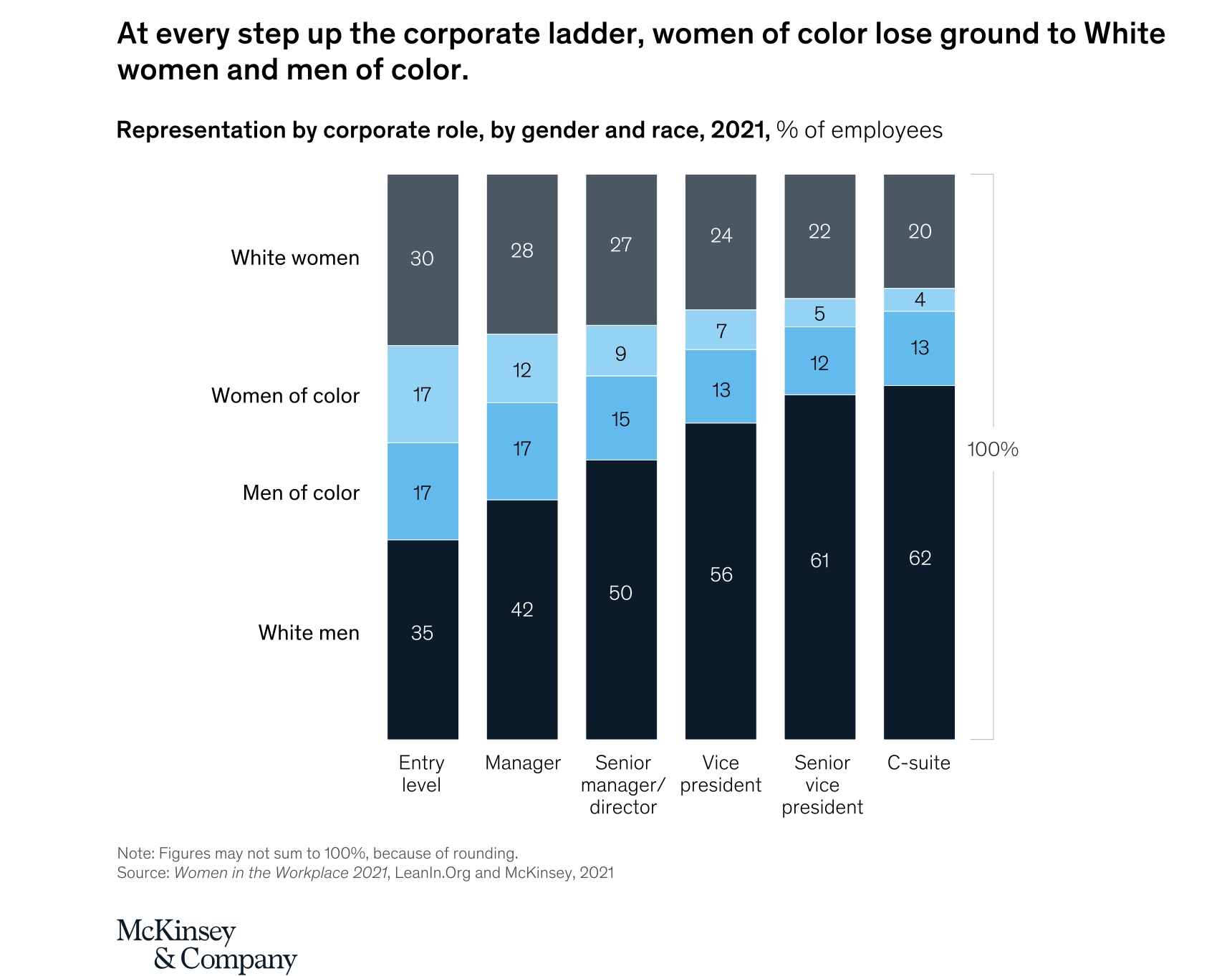
How we can see in the graphics we found on McKinsey’s blog there are three points that emerges: 

  1. Whilst in the entry level jobs genders are quite equal represented, for Woman (especially no-white woman) is almost impossible to reach the top level of organizations.
  2. Woman are more subject to burnout than men. 
  3. Woman managers are more effective when an intervention is needed about key factors like: Emotional Support, Well being check, Workload management, Burnout prevention and work-life challenges help. 

Not only a more equal distribution of power in the organizations will be important for woman’s rights, but also for the inner efficiency of organization itself. 

To make this change we need to ignite a cultural change, that starts with a psycho-economic reflection: Corporations will spend less money and make more profit if woman would be at least 50% of the executive board. Why? Because our economic model is specular to our mindset, and every mind has a masculine part and a feminine part. When those part are in harmony, the organism works good and the person is in harmony with environment and society too. We’ll do soon, when Covid.19 pandemic will end in Italy, a workshop about it. For further info: humanadvisorproject@gmail.com

Source of graphics: 

McKinsey

Gianpaolo Marcucci, President of Human Advisor Project

Questo blog non rappresenta una testata giornalistica in quanto viene aggiornato senza alcuna periodicità . Non può pertanto considerarsi un prodotto editoriale ai sensi della legge n° 62 del 7.03.2001.
L’autore non è responsabile per quanto pubblicato dai lettori nei commenti ad ogni post.Verranno cancellati i commenti ritenuti offensivi o lesivi dell’immagine o dell’onorabilità di terzi, di genere spam, razzisti o che contengano dati personali non conformi al rispetto delle norme sulla Privacy. Alcuni testi o immagini inserite in questo blog sono tratte da internet e, pertanto, considerate di pubblico dominio; qualora la loro pubblicazione violasse eventuali diritti d’autore, vogliate comunicarlo via email. Saranno immediatamente rimossi.L’autore del blog non è responsabile dei siti collegati tramite link né del loro contenuto che può essere soggetto a variazioni nel tempo. This blog is not a newspaper as it is updated without any periodicity. It cannot therefore be considered an editorial product within the meaning of Law No. 62 of 7.03.2001.The author is not responsible for what is published by the readers in the comments to each post. Comments deemed offensive or harmful to the image or good repute of third parties, of spam, racist or that contain personal data that does not comply with the Privacy Policy will be deleted.Some texts or images included in this blog are taken from the internet and, therefore, considered in the public domain; if their publication violates any copyright, please communicate it by email. They will be removed immediately. The author of the blog is not responsible for linked sites or their content which may be subject to change over time.